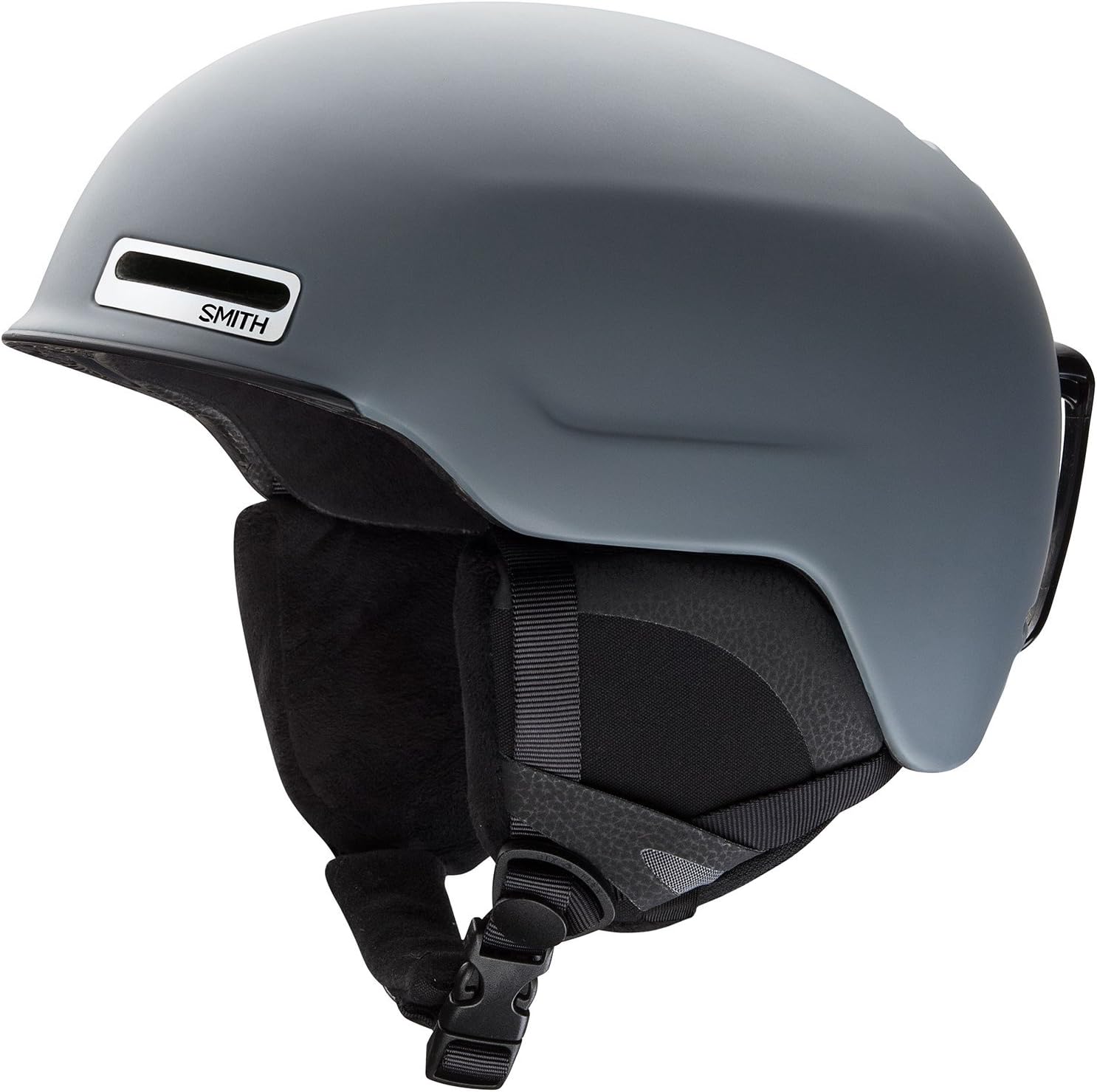
Some helmets try to do everything. The Smith Maze MIPS does a few things well and gets out of your way. It has been one of the most popular snow helmets for years, and that is not an accident. This review covers what makes it work, where it is basic, and who should skip it.
Where the Maze Sits in Smith's Range
Smith's helmet lineup is wide, so it helps to place the Maze. It is the lightweight, minimalist helmet: a clean shell with no brim, no sliders and no dial. Above it you find helmets with Koroyd, BOA dials and adjustable venting, like the Code, Level and Vantage. Alongside it sits the Scout, a more affordable helmet with a small skate-style brim.
The Maze is for the rider who wants the cleanest silhouette Smith makes and does not need a long feature list. It adds the one safety feature that matters most to a lot of riders, MIPS, and leaves it at that.
Weight and Profile: It Disappears
Pick up a Maze and the first thing you notice is that it feels almost empty. Smith builds it with in-mold construction, which fuses the outer shell to the EPS foam in a single, lightweight piece. When you are hiking a rail line or carving laps for six hours, that low weight keeps your neck fresh. Many helmets at this level feel clunky. The Maze disappears once you buckle it up.
It also sits low. Rather than hiding a loose fit behind thick padding, it relies on a well-shaped shell that rides close to the head, so you avoid the mushroom look. If you have had trouble with helmets that sit high and leave a big gap above your goggles, the Maze is often the answer.
Protection: In-Mold Shell and MIPS
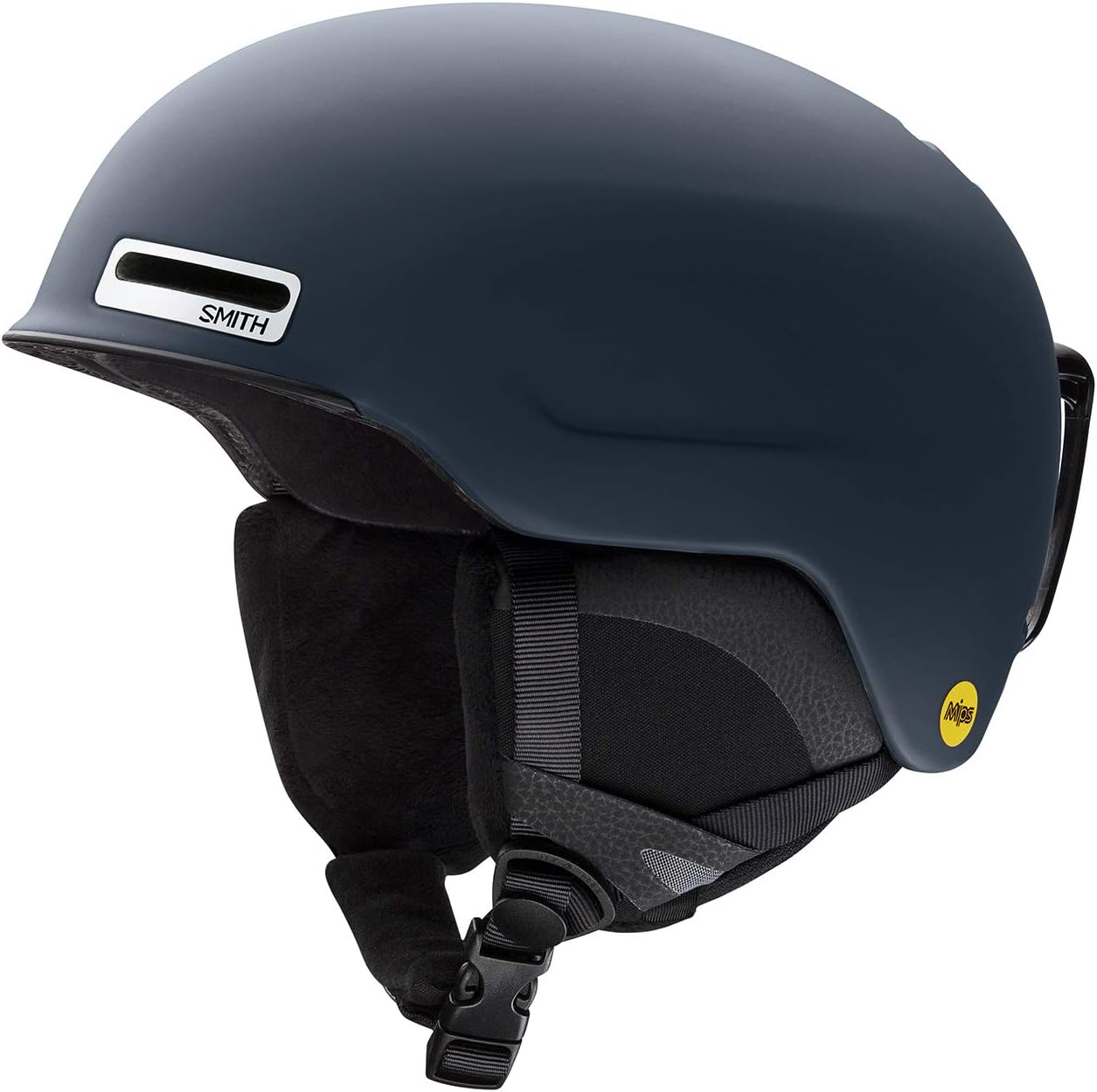
The Maze MIPS uses the MIPS liner, which is designed to let the helmet rotate slightly relative to your head during an angled impact and reduce rotational forces. Smith lists the helmet as certified to ASTM F2040 and CE EN 1077 Class B. It does not have Koroyd, so it is a simpler protection package than the Code, Level or Vantage.
I will not say it is safer or less safe than another helmet. Owners generally agree on one rule: get a helmet with MIPS, then choose the one that fits best. The Maze meets that rule.
Goggle Integration and Venting
Because the Maze has such a neutral, low-profile front, it plays well with a wide range of goggles, not just Smith's. Smith's AirEvac ventilation, designed to pull moist air from the goggle lens and out through the helmet, works with Smith goggles to help fight fog. The goggle strap lock on the back is removable, so you can keep the shell clean if you wear goggles under it.
The venting is passive: fixed, always open, and not adjustable. Owners of the related Scout say the ventilation is not great, and the Maze falls in the same camp. Smith also lists the Maze as compatible with Aleck audio systems.
The Fit Question
Smith builds the Maze around a self-adjusting lifestyle fit system that flexes to match your head shape. There is no dial to tweak. That keeps the helmet simple, but it also means you cannot fine-tune the fit the way you can on the BOA models.
Owners report that Smith helmets, and the Maze in particular, can run small. Some riders found the Maze tight in their usual size, even before adding a beanie. Owners who tried a larger size say it fits well and stays light. The takeaway: try it on in the shop if you can, and size up if you are between sizes or want a hat underneath.
The Debate: Is the Maze Worth More Than a Cheaper Lid?
The common argument is whether the Maze is worth the extra money over the Scout, since both offer MIPS. Some riders say save the money and spend it on better goggles. Others say the Maze feels like a more finished product: lighter, lower and smoother.
My take is simple. If you only ride a few days a year, the cheaper helmet will do the job. If you ride often, the lighter weight and cleaner profile add up over a season, and you will notice it on long days.
Newer owner reports raise one problem with the finish. Several owners say the paint peeled with no impact, in some cases straight out of the box. One owner submitted a warranty claim. Another rider says their previous Maze lasted seven to eight years, so this may be a recent batch issue. Check the finish when your helmet arrives, and keep your receipt.
Who Should Buy the Maze, and Who Should Look Elsewhere
Buy it if you want a lightweight, low-profile helmet with a simple, reliable design, and you ride mostly in the resort. It works in the park and in the backcountry, and it suits riders who care about how they look.
Look elsewhere if you want adjustable vents, a dial fit or a plush liner. You may also want a brimmed look like the Scout, or the added protection tech of the Code, Level or Vantage.
Verdict
The Smith Maze MIPS earns its popularity. It is light, clean and easy to use, and it keeps the safety tech that matters. It does not have adjustable venting or a precision fit system, and some riders will find it runs small. For everyone else, it is the benchmark minimalist helmet and a safe pick when you want something that just works.