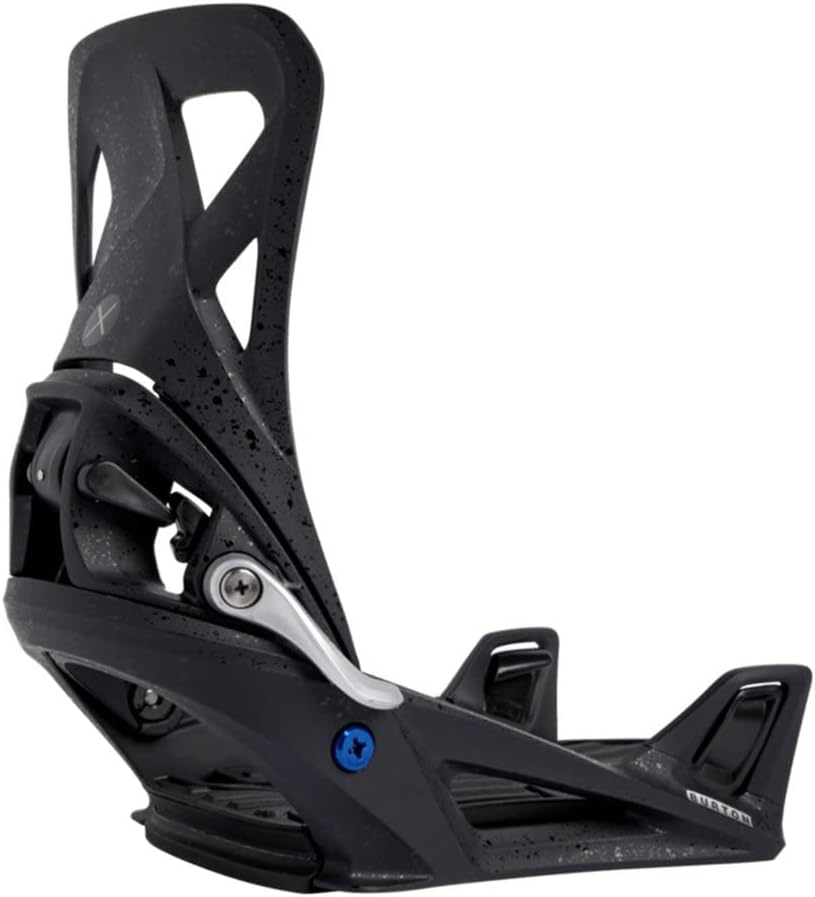
Moving to the Step On system is a mental shift for many of us who are used to the literal "locked-in" feeling of traditional straps. When I decided to make the jump, I had the same anxieties that many intermediate-to-advanced riders face: Will I lose that precision? Is the convenience worth a sacrifice in edge-to-edge response? After debating between the regular Step On, the Genesis, and the Step On X, the choice becomes clear once you understand how the materials interact with a high-performance riding style.
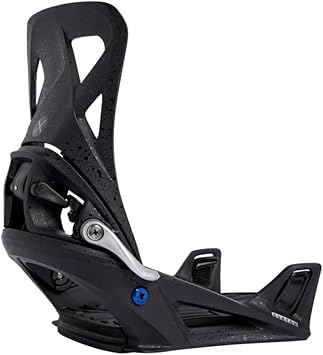
The biggest question I had, and one I see often in the community, is whether the "X" designation is just marketing or a tangible difference in ride quality. The regular Step On is a fantastic piece of engineering, but for someone used to the immediate power transfer of a stiff binding like the Katana, it can occasionally feel a bit "plasticky" during high-speed carves. The Step On X swaps out the standard glass-filled nylon for a carbon/nylon composite baseplate. This doesn’t just make it lighter; it changes the frequency of the vibration and the speed of the snap when you initiate a turn.
Response and Material Stiffness
When you’re charging down a freshly groomed run, the responsiveness of the Step On X is immediately apparent. I was worried I’d miss the customization and the wrap-around feel of straps. However, the carbon-blend baseplate in the X delivers a level of precision that even high-end strap bindings struggle to match. There is zero lag. In a traditional binding, there is always a tiny amount of take-up as the strap stretches or the boot compresses against the foam. With the Step On X, the connection is mechanical and rigid.
This stiffness is especially noticeable on the heel-side turns. The highback on the X is much stiffer than the regular version or the Genesis. While the Genesis uses a "Kickback Hammock" to provide a bit of suspension and play, the X is built for those who want their input translated directly to the edge. For an intermediate-advanced rider who enjoys high-speed carving on groomers, this rigidity is a massive asset. It allows for subtle weight shifts to result in immediate line changes, which is exactly the kind of response I grew to love with my Ion/Katana combo.
Comparing the Genesis and the Regular Models
There’s a lot of chatter about the Genesis Step On, particularly regarding its highback. Some riders have expressed concerns that the Genesis highback tends to break or feels a bit too "fiddly" compared to the simpler designs of the regular and X models. While the Genesis offers a more "surfey" feel that might appeal to some, it lacks the raw power of the X. If you are riding off-piste or in variable terrain where you need to muscle the board through chunder, the Genesis might feel a bit too damp or forgiving.
The regular Step On is a great middle ground, but for someone at an advanced level, the X provides that extra 10% of confidence when you’re pointing it down a steep face. It’s about the trust you have in the equipment to hold an edge when the snow gets firm. The regular version has more lateral flex, which is great for the park, but on groomers or in technical sections, that flex can feel like lost energy.
Performance in the Park and Off-Piste
If you’re like me and enjoy "simple things in the park," the Step On X requires a bit of a recalibration. Because they are so stiff, they aren’t the most forgiving bindings for landing slightly off-bolts or for deep tweaks on rails. If your park progression is your primary focus, the X might actually be too much binding. But for the rider who hits the park as an afterthought to a day of carving and exploring the trees, the trade-off is well worth it.
Off-piste, the responsiveness is a double-edged sword. In tight trees, being able to snap the board around instantly is life-saving. However, you have to be "on" all the time. The X doesn’t let you get lazy. If you’re tired at the end of a long day in the sidecountry, the bindings will let you know if your technique starts to slip. This is very similar to the feel of the Rome Katana when set to its stiffest configuration, so it should feel familiar to riders coming from that background.
Boot Integration: The Photon Connection
Pairing these with the Photon Step On boots—specifically the version with the ankle strap—is the closest you can get to a traditional strap feel. The addition of that ankle strap provides that downward pressure across the top of the foot that some people miss when moving away from traditional bindings. It bridges the gap between the mechanical "click" of the Step On and the "wrapped" feeling of a strap binding.
Using the Photon SO with the X bindings creates a very cohesive unit. The boot has enough flex to prevent the ride from feeling like you’re bolted into a block of wood, but the binding provides the structure to handle high-velocity turns. It’s a balanced setup that caters perfectly to the intermediate-advanced demographic that wants performance without the hassle of sitting down to strap in every time they get off the lift.
Final Thoughts on Durability and Value
Regarding concerns over highback durability seen in other models like the Genesis, the construction of the X feels incredibly robust. The carbon-injected parts don't just feel stiffer; they feel more premium. You aren't seeing the same reports of breakage with the X as you might with more complex, multi-piece designs. While the price is higher, you are paying for a material upgrade that directly impacts the ride quality and longevity of the binding.
For the rider who is used to the responsiveness of a Rome Katana and the support of a Burton Ion, the Step On X is the only logical choice in the lineup. It maintains that high-performance standard while providing the convenience of the Step On system. It’s a specialized tool for a specific type of rider—the one who values precision and power above all else. If you’re ready to stop clicking straps and start carving, this is the setup that won’t make you regret the switch.