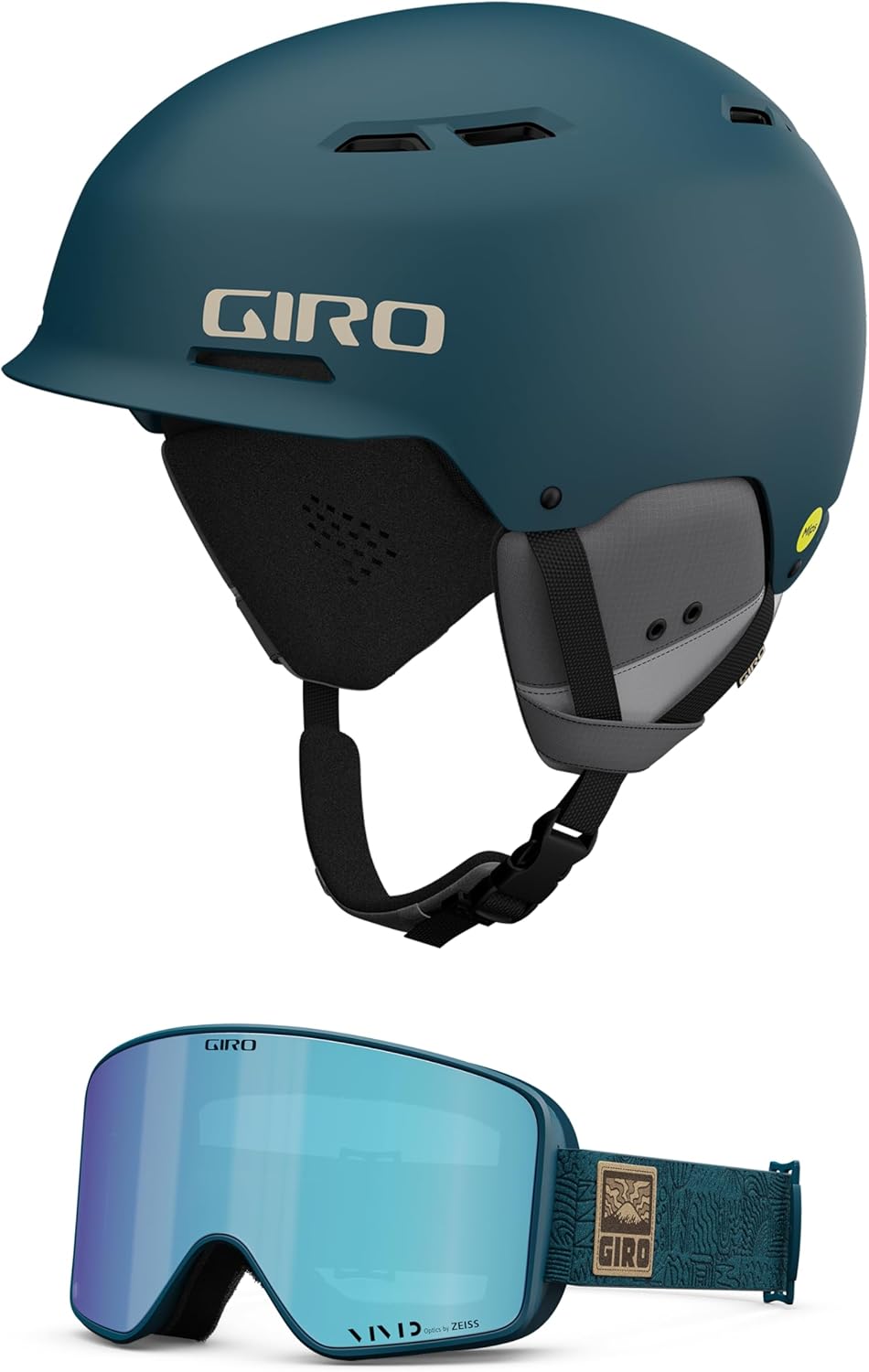
If you rode for years in an older minimalist helmet, the Giro Trig MIPS is the kind of modern replacement worth a look. It keeps a skate-inspired, low-profile feel but adds the features older lids lacked: MIPS, an adjustable fit dial and controllable vents. This review covers where it fits in Giro's range and who it suits.
What It Is
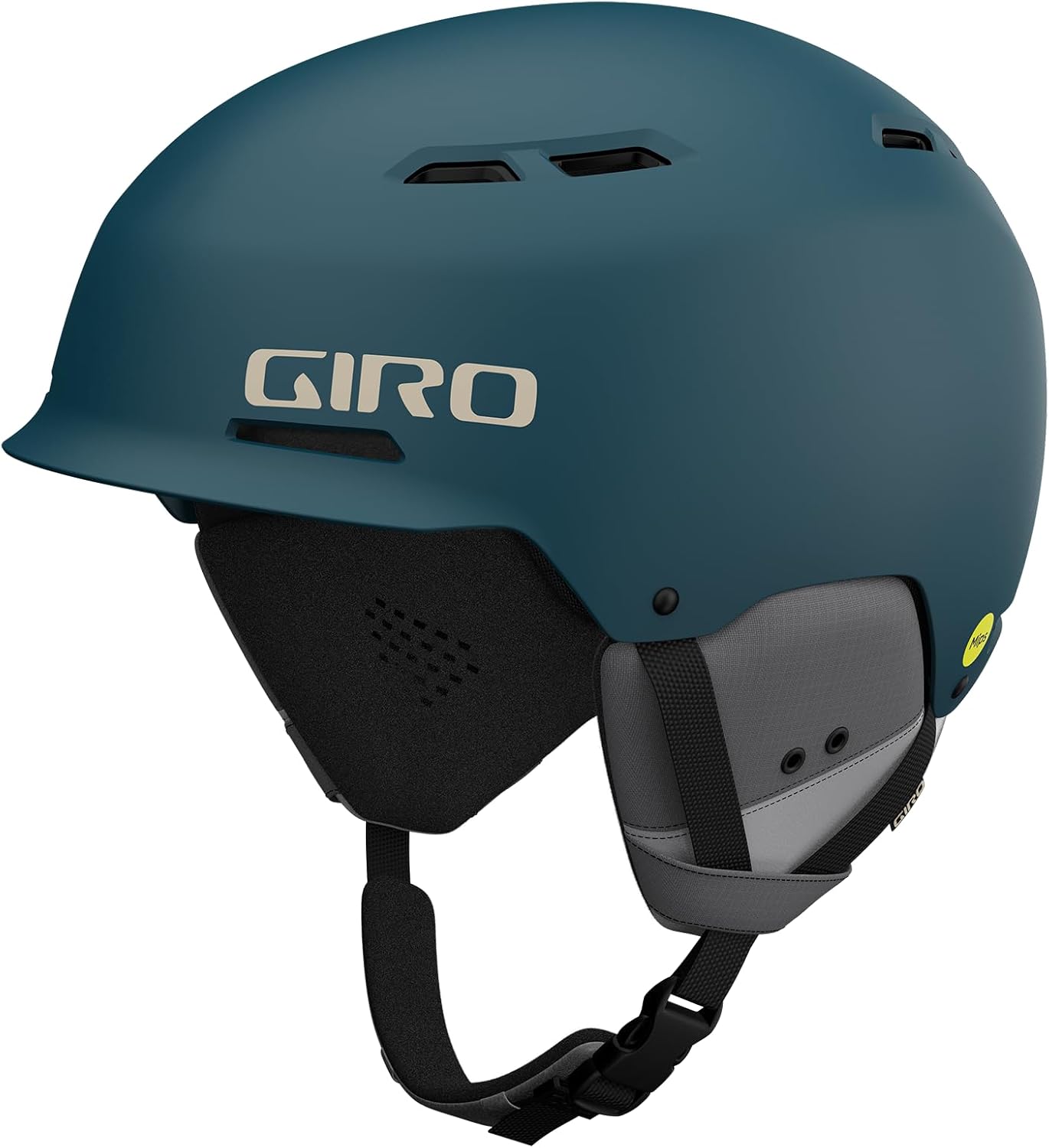
The Trig is a hard shell helmet. A rugged polycarbonate outer is formed and attached to an EPS foam liner, which is how you get a solid helmet at a good value. It is not the lightest construction, and Giro positions it as a freestyle helmet, but it is built to take hits and bumps.
For protection it uses MIPS, a slip layer inside the shell that helps reduce rotational forces in an angled impact. The Trig fits that layer in without becoming bulky, which is not something every early MIPS helmet could say.
Features include removable ear pads, a removable goggle retainer, and compatibility with aftermarket audio systems.
Fit and Feel
The In Form fit system is the biggest upgrade over older Giro helmets. A dial at the base of the helmet gives up to 6 cm of adjustment and is easy to turn with gloves on. It pulls the helmet snug against the base of the skull, which helps prevent helmet tilt when you land jumps or ride through chop.
There is also vertical tuning, which lets you adjust the helmet for different goggles and head shapes and cut the gap above the frame. A reasonably slim interior means a thin beanie can fit under it without pressure points on the temples, and the dial has the range to cope when you switch between a balaclava on cold days and a bare head in spring.
An owner of the Trig says it fits well, that the dial at the back fine-tunes the fit, and that the brim lines up with their goggles.
Ventilation
The Trig has Thermostat Control venting, an outside button that lets you tune airflow quickly. There is a stack vent at the front that aligns with your goggles to help keep them clear. It is a step up from the old passive vents on entry-level lids.
The honest comparison is with the Jackson, which is positioned as the all-mountain model. The Trig is aimed at freestyle riding, with the goal of keeping you from overheating while working hard in the park. Riders who spend all day hiking or covering big terrain may want more airflow than the Trig gives, and the Jackson's system is built for that. On cold, windy chairlift rides, the Trig keeps you warm enough.
Goggles
Giro says the Trig is designed for seamless compatibility with its own goggles, and recommends its Axis model. The brim sits flush with the top of modern Giro goggles, which reduces the gap, helps drive air through goggle vents and cuts fogging when you breathe hard through a neck gaiter. As with any helmet, other brands can vary, so check the fit.
Build and Value
The hard shell construction is the reason the Trig sits at a friendlier spot in the range. A tough outer shell takes the usual knocks of chairlift bars, car trunks and the odd tumble in the park, and the EPS liner underneath does the impact work. Giro calls it great value, and that is fair: you get the core features riders actually use, a dial, vent control and MIPS, without paying for premium materials.
The trade is weight and refinement. Next to in-mold helmets like the Jackson, a hard shell feels a little more substantial on the head, and the interior is plain. For park days and general resort riding, most people will not mind.
Where It Falls Short
Less ventilation than all-mountain models. Fine for park laps, less so for long, hot hikes.
Basic interior. It is simple compared with premium helmets. That keeps cost down but it is not plush.
Heavier build. A hard shell is not the lightest option.
Freestyle look. The styling is clean and simple, which suits some riders and leaves others cold.
Who Should Buy It
The Trig suits riders who like a minimal, low-profile look, who spend a lot of time in the park or on side hits, and who want MIPS, a good dial and venting control without paying for flagship tech. It also makes sense for riders upgrading from an older helmet.
Look elsewhere if you want more airflow and a lighter feel (the Giro Jackson MIPS), if you want the most adaptive fit (the Giro Range MIPS), or if you want a cellular liner (the Anon Merak WaveCel).
Pro tip: Check the fit in a shop with your goggles on. Giro fit suits some heads and not others.
Verdict
The Giro Trig MIPS is a sensible, no-nonsense helmet. It does not have the flagship tech of a Range or a Merak, and it is not as ventilated as the Jackson. It does give you MIPS, a proper dial, adjustable vents and a clean look at a sensible spot in the range. If you ride freestyle, or you want a solid helmet without extras, it is an easy recommendation.