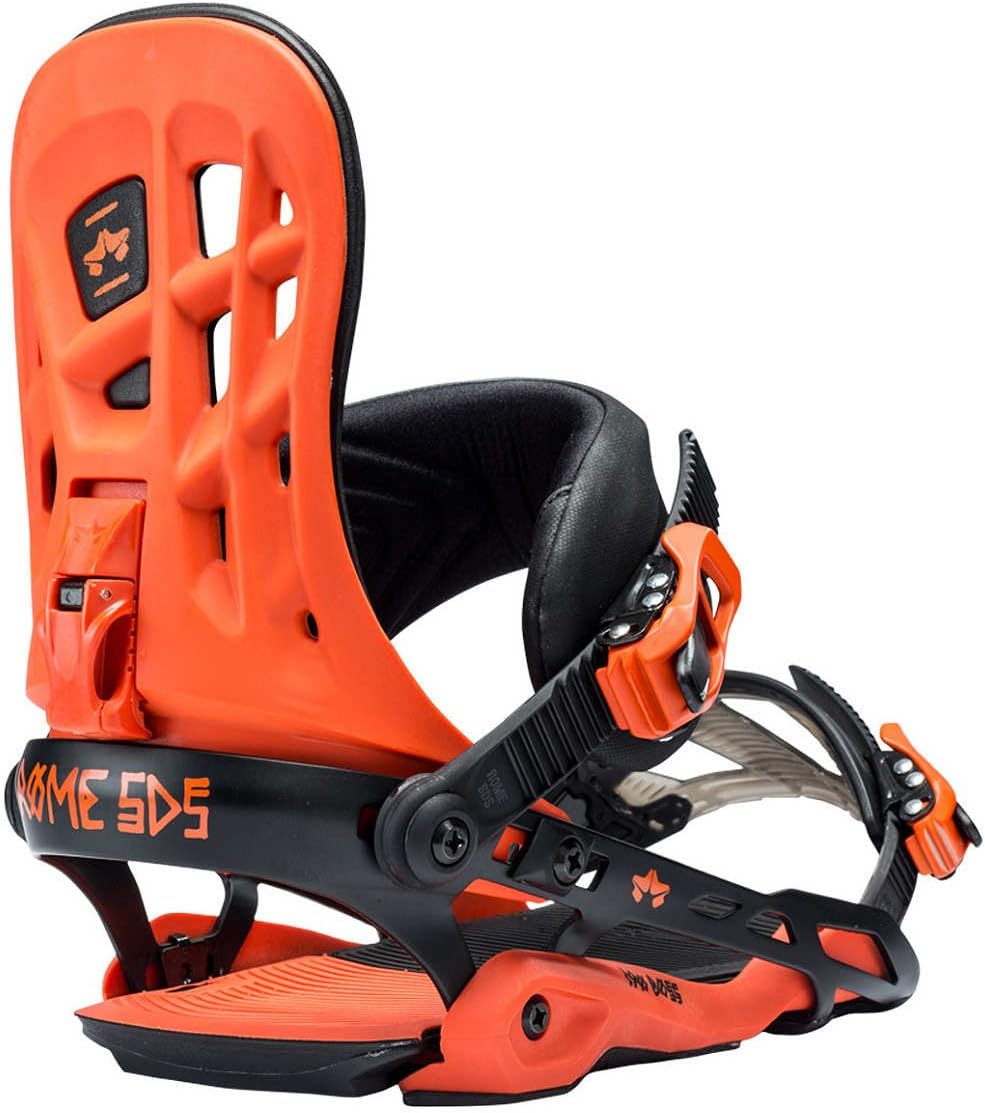
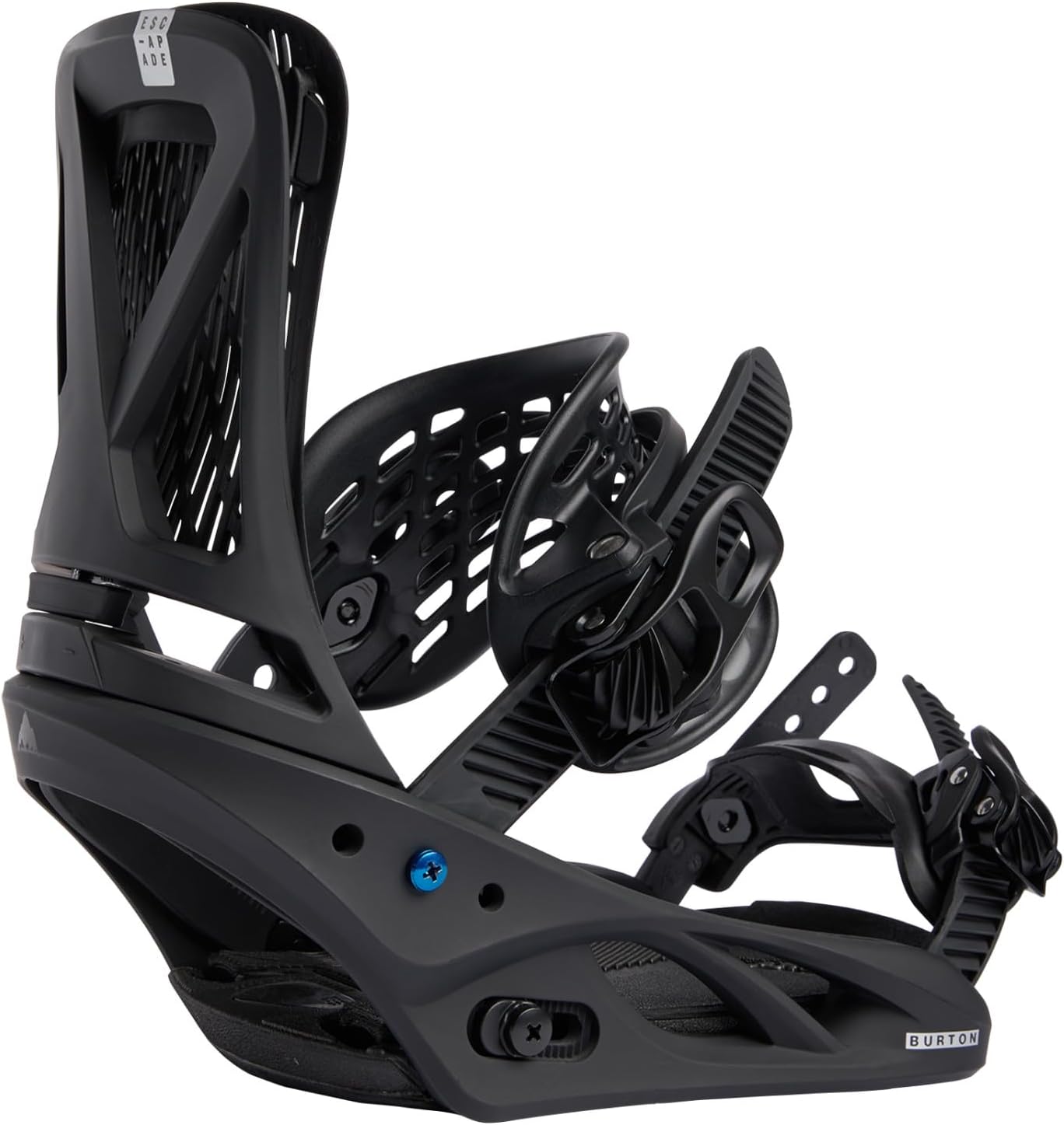
The Rome Katana sits in the middle of Rome's lineup. It isn't the softest binding on the wall and it isn't the stiffest. It's built for riders who want one binding that can carve a groomer at speed, then pop off a side hit on the way down. Rome gives it a mini disc, an asymmetric heel cup and an ankle strap that moves in more ways than most. The question this review answers is whether all that tech adds up to a better ride, or just more screws to turn.
The Mini Disc and Board Feel
The mini disc is the defining feature. A smaller disc puts less hard plastic between the board and your boot, so the board flexes more naturally underfoot. Full-size disc bindings can create a dead spot right under your feet where the board refuses to bend. The Katana shrinks it.
I noticed it on the first run. The board felt more lively, and turns felt smoother through the whole arc, with the sidecut engaging from tip to tail. That's especially noticeable on a mid-wide board, which stays wide at the inserts. A stiff, big-footprint binding can over-stiffen that area. The Katana lets a mid-wide deck keep its character.
The trade is power. A full-size disc drives energy to the edge in a more direct, rigid way. The Katana feels like it works with the board rather than forcing it. If you're coming from a standard disc, give yourself a few runs to adjust your timing. Owners also point out that the disc is not as small as the name suggests. It sits closer to a medium size.
The AsymWrap Heel Cup
Rome's AsymWrap chassis uses a heel cup that isn't symmetrical. It drives hard on the heelside and allows more lateral flex on the toeside. That's what gives the Katana its range. It holds an edge on a hard carve, then lets you tweak a grab or pick through tight trees without feeling locked in a bucket.
Flex lands at medium-stiff. That's stiff enough for fast groomers and firm snow, and soft enough for jibs, butters and park laps. If you want more support for big lines, Rome's Cleaver is the stiffer, more all-mountain choice.
Strap Adjustment and Fit
This is where the Katana pulls away from simpler bindings. The PivotMount Max system lets you move the ankle strap into several positions. Mount it higher for more support and response. Mount it lower for a looser, surfier feel. The point is fit. A dialed ankle strap removes boot slop, and that matters when one board has to handle groomers, trees and park in the same day.
I ran a stiff, fairly beefy boot and worried about pressure points. With the strap position tuned, there were none, and the heel stayed down with no slop. That range also helps with bulky boots, because you can center the boot and set each strap where it belongs. The straps conform to the boot. Owners describe them as molding to the boot's shape over time. The toe strap grips the front of the boot and stays put through chop and hard landings.

Where It Falls Short
- Power at speed. Heavy riders on wide boards, or anyone charging through heavy chunder, may wish for the broader platform of a full disc. I noticed I had to be more deliberate with my weight. When I got lazy, the binding wanted more input than a rigid setup would.
- Hardware. There are more moving parts than on a simple binding. I carried a tool for the first few days to check that the screws on the adjustable parts weren't backing out.
- Highbacks. See below.
The Debate: Does It Break?
The most common owner complaint is the highback. A few owners report it cracking at the cutout, the small line cut into the highback. Rome has replaced cracked highbacks under warranty, and owners who had it happen still say they couldn't be happier with the binding. Treat it as a known weak spot worth watching. It's covered, but it can cost you days if it happens in season.
Everything else gets high marks. Riders switching after years on Union bindings describe the Katana as a clear step forward in comfort and response, comparing it to going from an old car to a new one. The build quality feels premium, and the straps hold without hot spots even when cranked down on a steep run.
Pro tip: Put a drop of thread locker on the adjustable screws once your settings are final, and check them after your first few days.
Who Should Buy It, Who Should Look Elsewhere
The Katana suits all-mountain freestyle riders who value board feel and adjustment over raw power. It's a good choice for riders returning to the sport, since it takes much of the guesswork out of boot fit. It pairs well with mid-wide boards and directional twins. If you like to turn screws until the setup is perfect, you'll get a lot out of it.
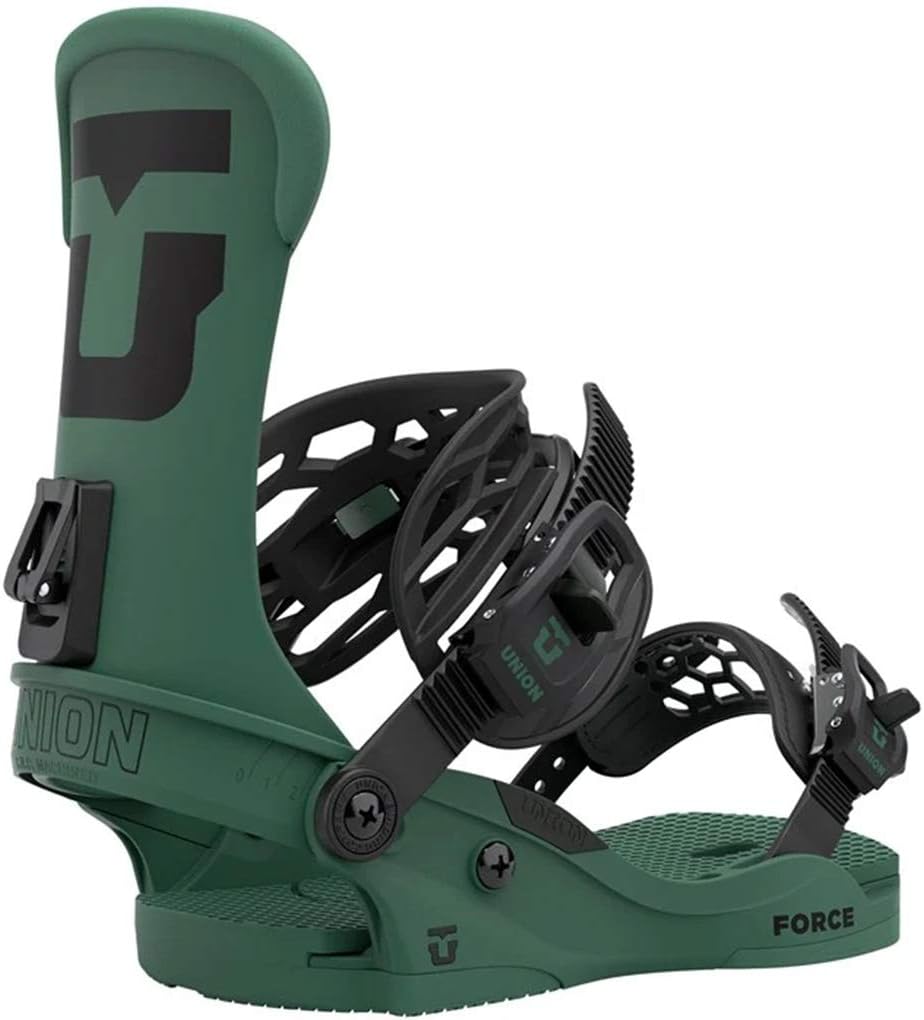
Look elsewhere if you want to set a binding and forget it. A simpler design like the Union Force has fewer parts to check. Hard-charging heavy riders on wide boards may prefer a standard disc and a stiffer chassis.
Verdict
The Rome Katana makes a strong case as a one-binding quiver. It bridges freestyle and freeride by letting you decide how it behaves. The mini disc gives up some power at speed, and the hardware needs attention. In return the board flexes as it was designed to, and the binding fits like it was built for your boot.