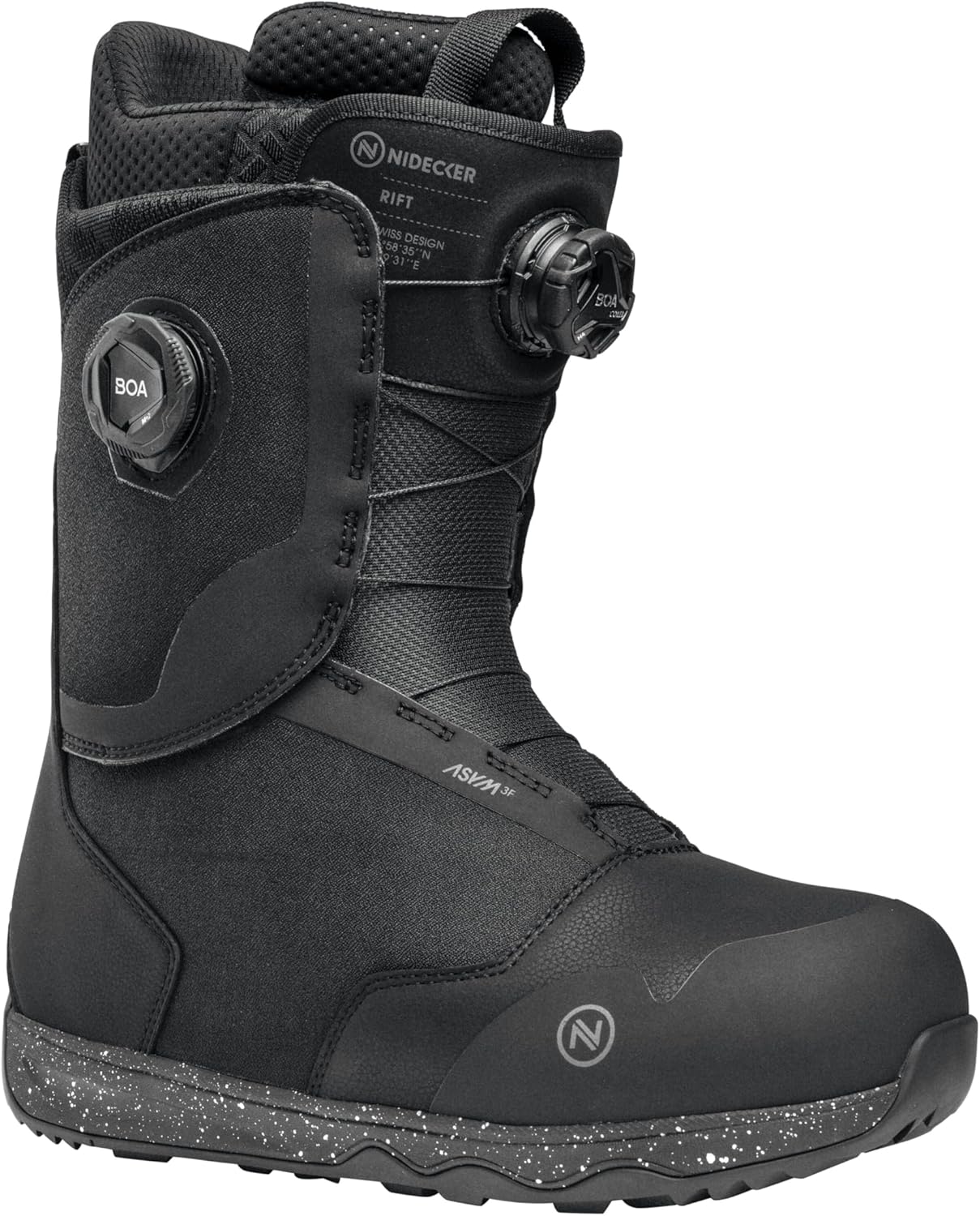
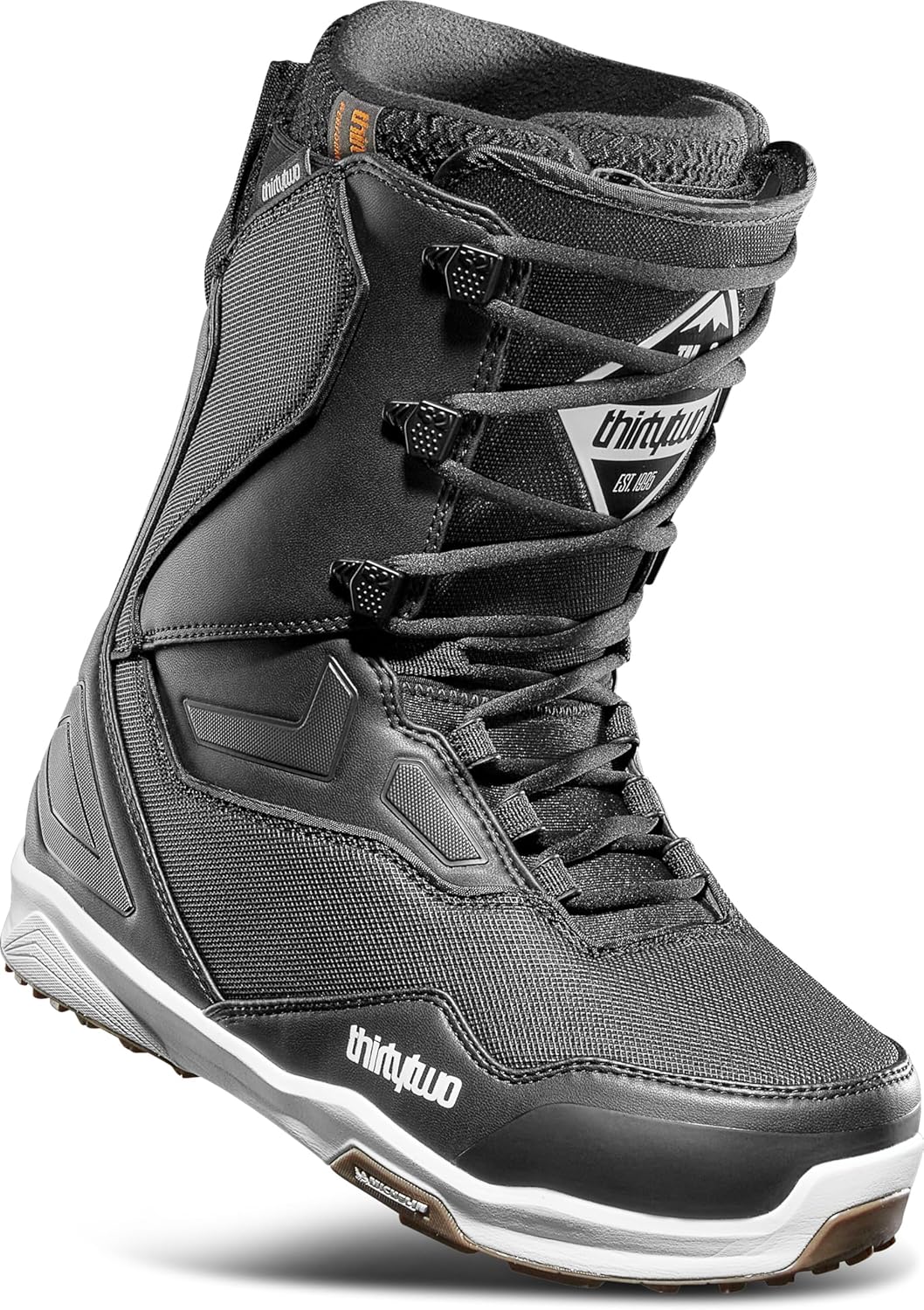
The Dialogue has been a fixture in Salomon's range for a long time, and it shows up on almost every "what boot should I get" list for riders who want one pair that handles groomers, trees and the occasional park lap. It is sold in more than one version, so the question this review answers has two parts: what is the boot like, and does the closure you choose matter?
What the Dialogue Is
Salomon rates the Dialogue's flex as medium, built for riders who want to feel good on all terrain and in all riding styles. The boot is made with heat-moldable, multi-density foams placed in the sensitive spots of the foot, shin, ankle and heel, plus an inner zone on the liner called Heel Grip, meant to keep the foot and sock from sliding. The footbed is an Ortholite C2 dual-density insole.
The closure is where the range splits. You can get the Dual BOA version, with one dial for the lower boot and one for the upper, or the Lace SJ BOA version, which has traditional laces plus a BOA dial over the instep for added heel hold. Salomon's pitch is that the boot itself stays the same either way, and owners broadly agree: the shell, the liner and the flex behave similarly. What changes is how the boot wraps your foot.
On Snow: Mid-Flex With Some Backbone
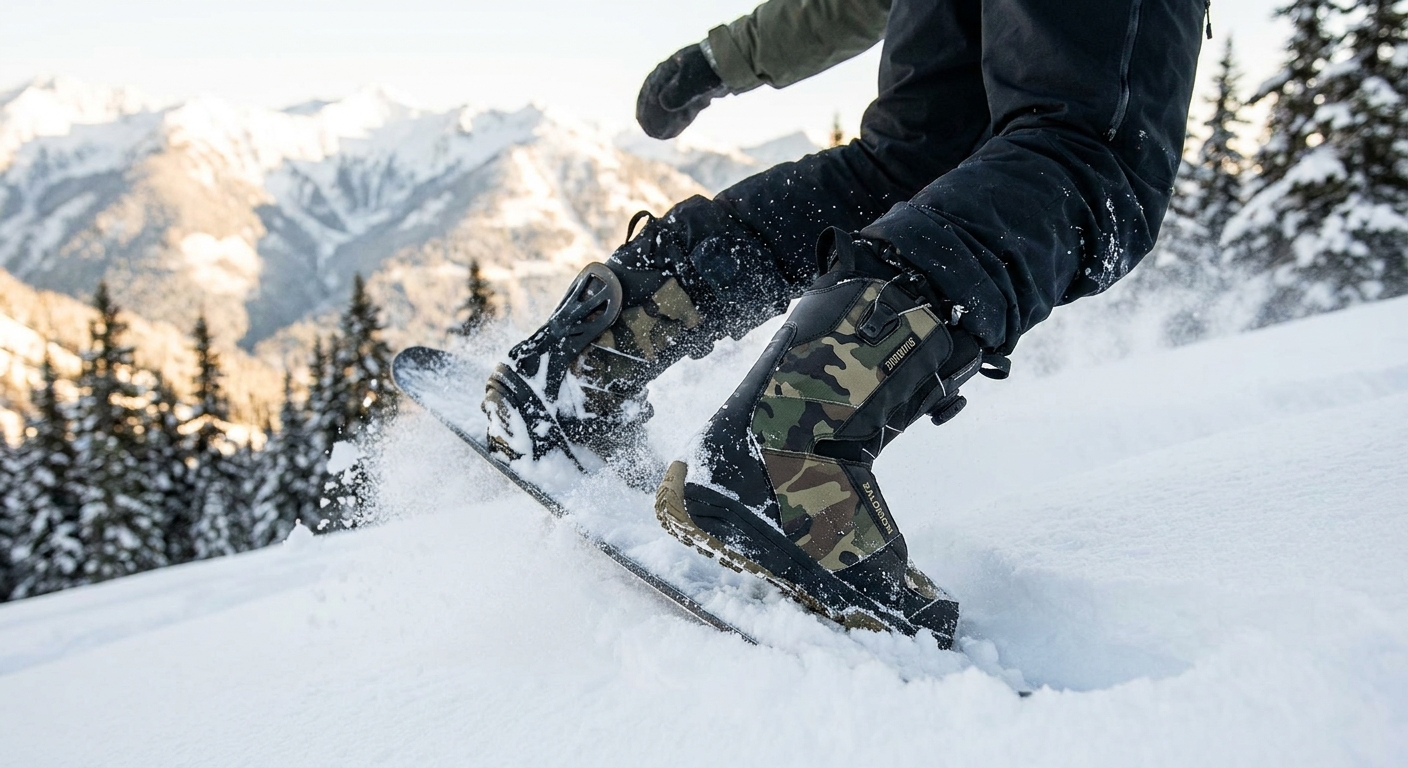
On snow the Dialogue feels like a true all-mountain boot. It is soft enough to flex through a tight line of trees, buttery enough for side hits, and supportive enough that it does not wash out when you lean into a carve on groomers. The flex is progressive rather than springy, with no obvious dead spots, which is the thing that makes a boot feel cohesive rather than like several parts bolted together.
Heel hold is a strong suit. Whichever closure you pick, the inner harness and shell work together to pull the foot back into the pocket, and owners report little to no heel lift once the boot is dialed in. The hybrid lace version in particular gets praise from riders with narrow heels and ankles, who say a few twists of the instep dial removes lift entirely.
The Closure Choice
Dual BOA is quick, easy to adjust on a lift and fast to get out of at lunch. It suits riders who like tightening the cuff separately from the forefoot and who do not want to bother with laces. A couple of owners found the BOA version ran snug and sized down half a size to make it work, so try it on before you order.
Lace SJ BOA is the choice of owners who say they prefer laces for the overall fit. You get micro-adjustability through the lace lines and the heel lock from the instep dial. Several owners say they recommend this one, especially for narrow heels. It takes longer to get on, and some owners report pressure bumps that do not go away, so as with any boot, check the fit.
Neither version changes the personality of the boot. The decision is about how you like to tighten, not how you like to ride.
The Debate: How Stiff Is "Medium"?
The best question in owner threads is about flex. Salomon lists the Dialogue and the cheaper Launch as the same medium flex. Owners disagree. The common report is that the Dialogue is clearly stiffer, a beefed-up Launch with more rubber on the sole, and that it feels best on days when you are going fast on edge. Owners who split time between the Dialogue and older, softer boots find low-speed maneuvering and freestyle easier in the soft ones. Others say the Dialogue is a fairly soft boot and gives good comfort and control for relaxed riding once your legs are in shape.
The honest summary: it is a medium boot with enough stiffness to carve on, but it is not a stiff boot. For most riders it lands in a useful middle. If you want a stiffer ride and have the budget, owners point to the Salomon Malamute.
Who Should Buy It, and Who Should Look Elsewhere
Buy the Dialogue if you want a do-everything boot with strong heel hold, a comfortable heat-moldable liner and a choice of closure. Intermediate to advanced all-mountain riders who like to carve, ride trees and still hit a side hit get the most from it.
Look elsewhere if you want a stiff freeride boot, since a medium flex will feel soft when you charge hard on steep terrain. Look elsewhere too if you want a very soft, playful boot for park-only riding; the Launch or a similar softer boot will feel looser. And if the first boot you try shows pressure points, move on; owners agree that fit beats reputation.
Pro tip: Do a heel lift test in the shop. Walk around, drop into your riding stance and bend your knees. If your heel stays down in the first few minutes, it will likely stay put on snow.
Alternatives
- Salomon Launch: Same listed flex, softer in practice, better for trees and relaxed days.
- Vans Aura Pro: A comparable dual-BOA boot for riders who want a different fit and look.
- Salomon Malamute: Stiffer and pricier, for riders who want more power.
Verdict
The Dialogue is a dependable mid-flex boot with good heel hold and a choice of closures that does not change its character. It is not the stiffest boot you can buy, and it will not please a rider who wants a hard-charging stiff boot or a noodle-soft park boot. For everyone in between, it is one of the safer picks you can make, as long as you try it on first.