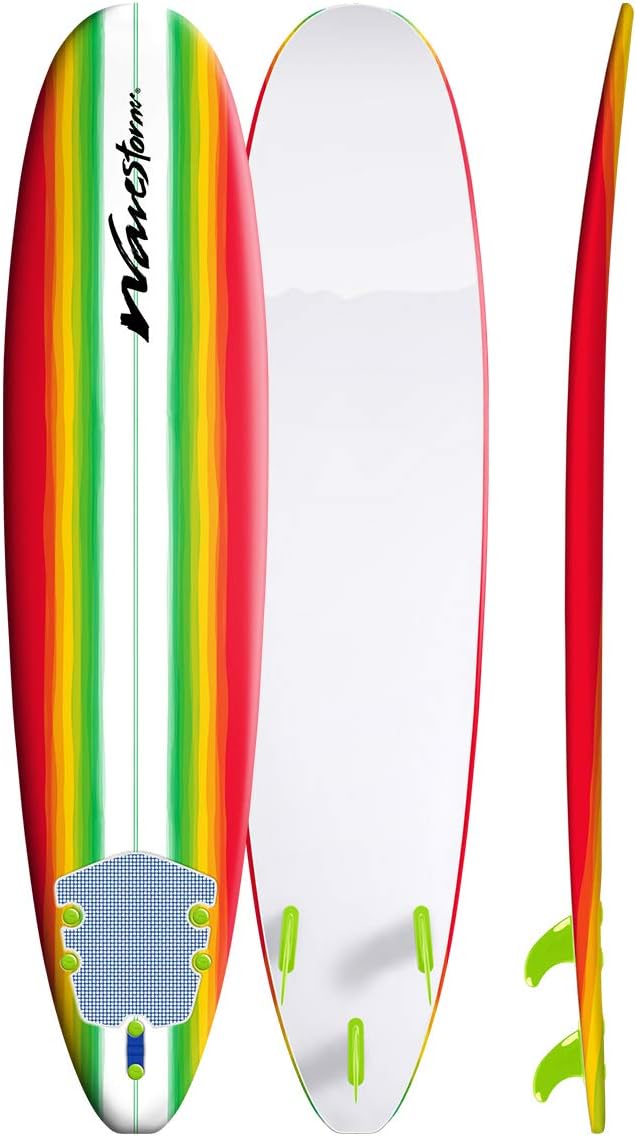
I remember the first time I lugged a 8ft Wavestorm down to the water. There is a specific kind of side-eye you get from the local lineup when you are carrying eight feet of bright foam. It is a mix of pity and preemptive annoyance. For years, the internet has been a breeding ground for Wavestorm bashing, with self-proclaimed purists claiming these boards are the downfall of modern surfing. But after spending a significant amount of time on one, I have to ask: if this board is so bad, why am I having so much more fun than the guy struggling on his new $900 shortboard?
Setting the record straight is important because, as a beginner or even an intermediate surfer, the noise on social media can really mess with your head. You start to think your gear is holding you back before you have even mastered a bottom turn. The reality of the Wavestorm is that it is a tool—a very specific, very effective tool. It is designed to maximize wave count, and in that regard, it is nearly peerless for the price. When you are just starting to catch several waves per session, the volume is your best friend. It provides a stable platform that forgives the kind of foot-placement errors that would send you into a tailspin on a fiberglass board.
One of the biggest myths is that you will outgrow a Wavestorm in a month. I have seen surfers at my local break taking these things into six-foot sets and carving lines that would make a pro blush. If you can ride a six-foot wave and find a line on a foamie, your fundamentals are solid. The board does not 'f*** up your riding' as much as it reveals it. Because the rails are thick and the board is buoyant, it forces you to use your weight and your shoulders to initiate turns. It teaches you about momentum. Sure, you are not going to be pulling off vertical snaps or deep barrel rides with ease, but for the meat and potatoes of surfing—trimming, carving, and staying in the pocket—it is a surprisingly capable teacher.
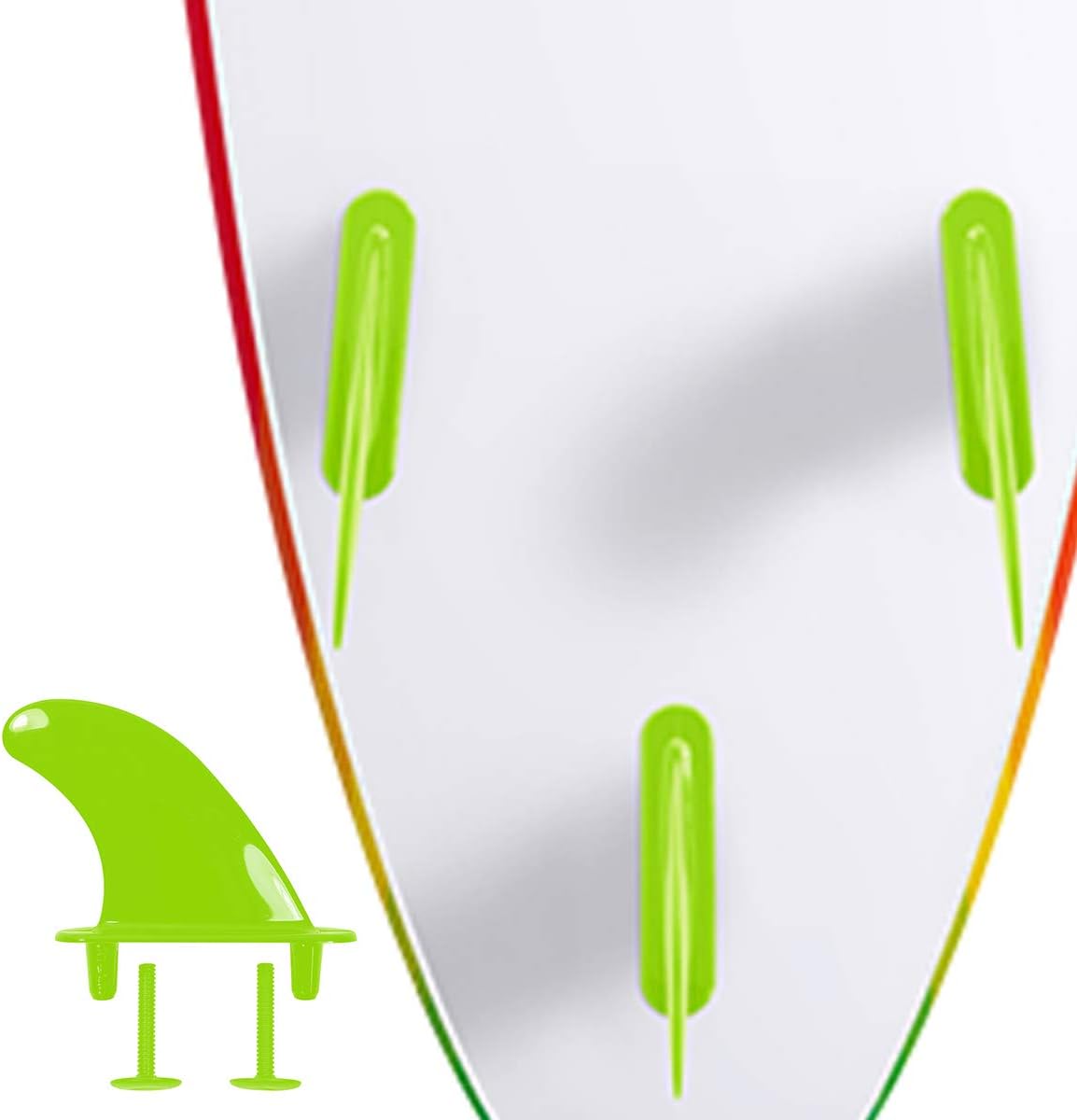
What people call 'bad' usually refers to the board's lack of high-performance refinement. Yes, the fins are flexible plastic and the rails are as round as a pool noodle. This makes the board feel 'mushy' when you try to push it hard into a turn. But for the person catching their tenth wave of the morning while the 'pros' are sitting out back waiting for the perfect peak, that mushiness is a small price to pay. The safety factor is also huge. When you wipe out—and you will—getting hit in the head by a foam board is a lot better than taking a fiberglass rail to the temple. It gives you the confidence to go for waves you might otherwise hesitate on.
As you progress, you will start to notice where the Wavestorm hits its ceiling. Duck diving is essentially impossible; you are going to be turtle rolling or just taking the set on the head. In very steep, hollow waves, the lack of rocker and the thick rails can make it difficult to set an edge before you drop down the face. You might find yourself sliding out or pearl-ing more often than you would on a refined longboard. But these are advanced problems. For the vast majority of people surfing on any given Saturday, the board is not the limiting factor—fitness and wave reading are.
There is also something to be said for the 'no-stress' lifestyle that comes with this board. I do not worry about dings in the parking lot. I do not worry about wax melting into my upholstery. I do not worry about my fins snapping off if I hit a sandbar. This lack of preciousness allows you to focus entirely on the water. The social media bashers are often caught up in the aesthetics of surfing—the image of the rugged individualist with their hand-shaped log. But surfing is about riding waves. If you are catching waves, you are surfing. If the Wavestorm is helping you do that more often, then it is a great board, period. Do not let the 'kook' label get to you; the real kook is the person sitting in the water not catching anything because they are too proud to ride something that works.