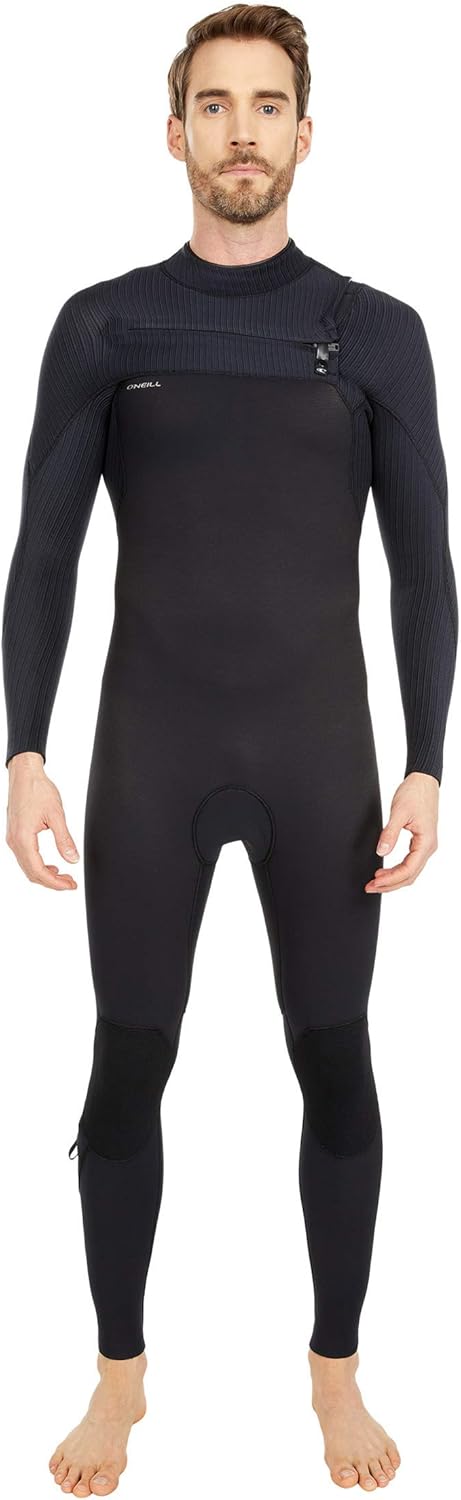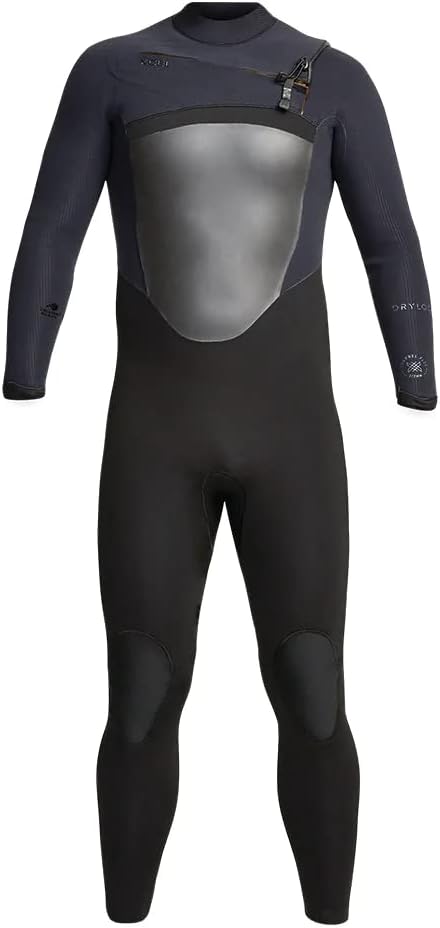
I have spent a significant portion of my life chasing swells along the Central California coast, and if there is one thing I have learned, it is that your gear can either make or break your session. When the water temperatures dip into the low 50s and the wind starts picking up, you stop thinking about the price tag and start thinking about core warmth. I have personally owned four generations of the Xcel Drylock 4/3, and my experience with this specific suit has been one of consistent, high-level performance that keeps me coming back every time a suit finally reaches the end of its life cycle.
There is a reason the Drylock is often considered the gold standard in the Xcel lineup. Having gone through four of them, I can say that the consistency is what really stands out. Many surfers find themselves jumping from brand to brand trying to find the perfect fit or the warmest lining, but I have found a home in the Drylock. It is a suit built for the robust surfer—someone who is out there regardless of the thermometer reading. In Central California, the conditions are rarely 'tropical,' and even on a sunny day, that water can have a real bite. The 4/3 thickness in the Drylock feels more substantial than many other brands' 4/3s, likely due to the quality of the neoprene and the internal lining that Xcel has mastered over the years.
Performance in the Cold
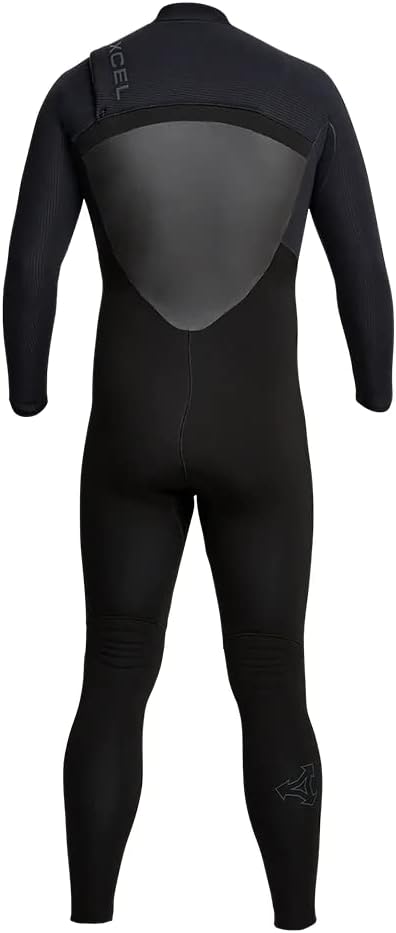
When we talk about 'low 50s' water, we are talking about a temperature range that demands respect. A lot of suits claim to handle these temps, but the Drylock actually delivers. The seals are where this suit really earns its name. I am strictly a frontzip guy—the entry is easier once you get the technique down, and the lack of a back zipper means significantly less water flushing down your spine during a heavy duck dive. The Drylock’s frontzip entry is engineered to be as watertight as possible, which is crucial when you are trying to extend a session past the two-hour mark.
One of the things I appreciate most about the Drylock is how it manages to stay relatively light even when wet. Some high-end suits feel like they weigh fifty pounds once they soak up some water, but the Drylock’s exterior seems to shed water effectively. This helps maintain mobility, which is often the first thing you lose when you’re bundled up in a 4/3. I’ve always felt 'robust' in the water, as I don’t get cold easily, but even so, the peace of mind knowing your suit isn't going to let a sudden icy rush in through the neck is worth the investment.
The Tech Gap: Is it Closing?
There is a lot of talk lately about whether the gap between flagship suits like the Drylock and mid-tier options like the Xcel Infinity or the entry-level Axis is actually shrinking. It’s a valid question. Wetsuit technology across the board has improved significantly in the last five years. Neoprene is stretchier, linings are more efficient, and manufacturing processes are more precise. I’ll admit, the lower price points of the Axis are incredibly tempting. When you see a suit that costs significantly less, you have to wonder if you’re just paying for the 'Drylock' name.
However, my history with these suits suggests that the 'extra' you pay for is found in the details of the construction. The Drylock features specialized seam sealing and an internal heat-retaining lining that you just don't get in the lower tiers. While an Infinity might feel just as stretchy in the shop, the way the Drylock holds its shape and warmth over a 100-session season is where the value lies.
Durability and Long-Term Value
The fact that I have owned four of these should tell you everything you need to know about their longevity. I don't baby my gear. I change in gravel parking lots and sometimes forget to rinse my suit with fresh water after a session. Despite that, the Drylock holds up. The seams stay tight, and the neoprene maintains its 'snap' for a long time. Eventually, all wetsuits die—usually, the neoprene starts to thin in the high-stress areas or the tape begins to peel—but the Drylock seems to reach that point much later than the cheaper alternatives I’ve tried in the past.
Final Thoughts on the Investment
If you are a casual surfer who only heads out when the sun is shining and the water is mid-60s, then yes, a Drylock 4/3 is probably overkill. You could easily save your money and grab an Axis or an Infinity and be perfectly happy. But for those of us in the trenches of Central California, where the water is dark and the air is chilly, the Drylock is a tool of the trade.
I’ve considered the 'downgrade' myself many times, looking at the price tag of the Axis and thinking about what else I could buy with that extra cash. But every time I’m sitting out the back on a gray, 52-degree morning, waiting for the next set, I’m glad I’m wearing the flagship. It’s a suit that gives you the confidence to stay out longer and catch that one last wave, and for me, that’s where the value truly lies. The Drylock remains the king of the Xcel lineup for a reason: it simply works where other suits start to fail.