The Reactor II is one of the best-selling full wetsuits in the O'Neill range, and the reason is simple. It is the suit most people buy when they are done with rentals. It carries a name everyone knows, it is a 3/2, and it costs far less than the flagship rubber on the rack next to it.
The real question is where O'Neill saved money, and whether you will feel it in the water. Short answer: yes, in the seams and in the stretch. Longer answer below.
What You Are Getting
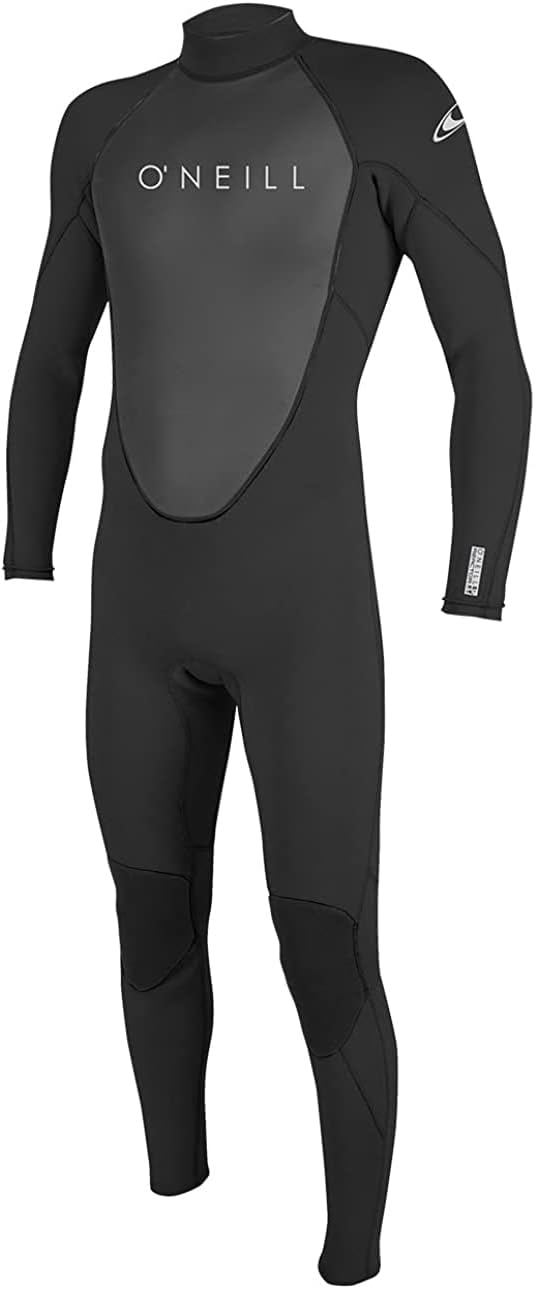
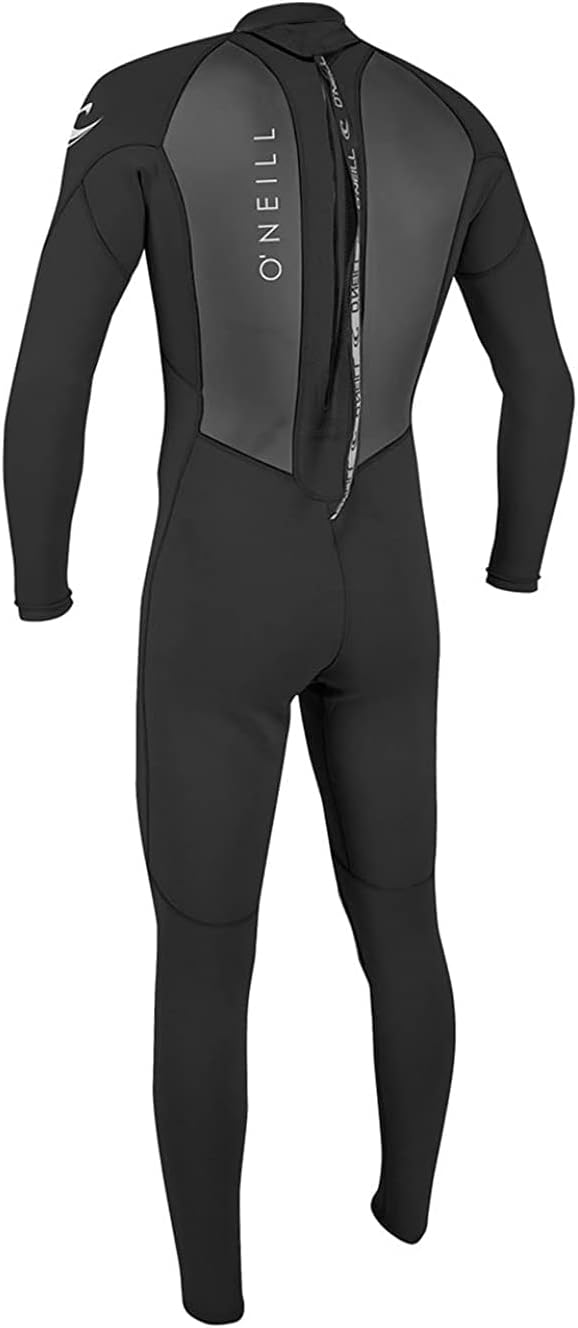
The Reactor II is a back-zip full suit in 3/2mm neoprene. That means 3mm through the torso and 2mm in the arms and legs, the classic compromise between warmth and paddling freedom. O'Neill pitches it as a lightweight, flexible suit for surfing, paddleboarding and kayaking, and a back zip is the simplest entry system there is. You step in, pull it up, and zip it yourself or with a friend's help.
The seams are flatlock stitched. That is the most basic seam type, and a shop employee who worked with the brand for years called this the most basic suit O'Neill makes. Flatlock stitching is comfortable and holds up against abrasion, but it leaves tiny channels where water seeps through the stitch holes. Glued and blind-stitched or taped seams are a step up, and you will find them on the pricier suits.
In the Water
On a warm-ish day, the Reactor II feels like a wetsuit should: snug, light enough that you stop thinking about it, and warm once a thin layer of water settles against your skin. Owners note that the Reactor is the surf-oriented line, with stretchier neoprene and thinner limbs than O'Neill's dive-focused Sector suit. It is not the stretchiest rubber in the shop. Reach hard for a few waves and you feel a little more resistance in the shoulders than you would in a premium suit. For learning to paddle and pop up, that cost is small.
The fit is a strength. O'Neill's cut is consistent and reads as an anatomical shape rather than a loose bag. A suit that fits properly flushes less, and in an entry-level suit that matters more than any feature on the tag.
The knee pads are a nice touch for anyone spending a lot of time on their knees while working on the pop-up. Some owners find them tough. Others say the seams around the knees gave out early, which brings us to durability.
Warmth: Know Your Window
Owners agree on the temperature range more than anything else. A person who spent years selling O'Neill gear called it good down to about 64F water, or roughly May through September in Southern California, with maybe half of April and October on either side. Other surfers stretch it to late October with booties, and a few push into November in the Northeast, but most say a 4/3 is the better call as soon as the water gets properly cold.
The flatlock seams are part of this. Water works its way through them all the time, so the suit relies on the thin water layer rather than sealing it out. That is fine in summer water and a real problem in winter water. There is no thermal lining here either, so wind chill on the walk back up the beach is noticeable.
Pro tip: If you are heading into a late-season session, add booties first. Cold feet drag down your overall warmth more than the thickness of the suit does.
The Durability Debate
This is where the Reactor II splits opinion.
Some owners are fine with it. They point to the knee pads and a back zip that is simple to use alone, and call it a workhorse for the money. Others report the opposite. One had seams split at the knees inside two months. Another saw the neck ripping, a shoulder seam open up and the zip slide down when tumbled by a wave, all inside nine months, and returned it. A third said the zip leaked and kept sliding down, and returned the suit after two uses.
The honest read: a basic flatlock suit at this price will not last like a premium one, and the back zip is the likely weak point. Owners who rinse the suit in cold fresh water and dry it in the shade get more life out of it. That advice applies to every wetsuit, but it matters more when the construction is simple.
Who It Suits
- Beginners and occasional surfers who want their own suit without a big spend.
- Warm-water sessions, roughly 64F and up, in summer or in a warm climate.
- Paddleboarders and kayakers who want a light full suit for mild days.
Look elsewhere if you surf year-round in cold water, surf several times a week, or want a warm suit that seals well. At that point, taped or glued and blind-stitched seams and a thermal lining earn their price.
Alternatives
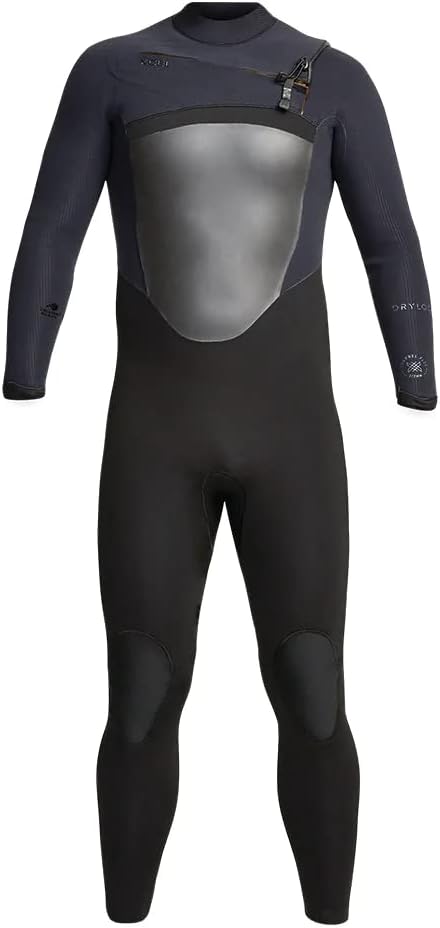
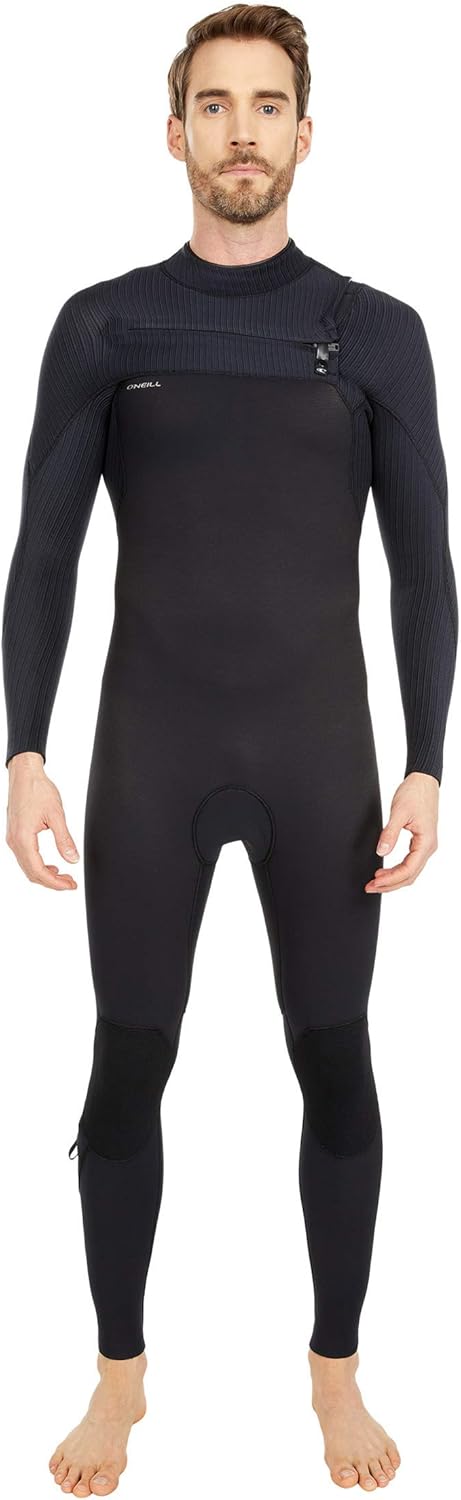
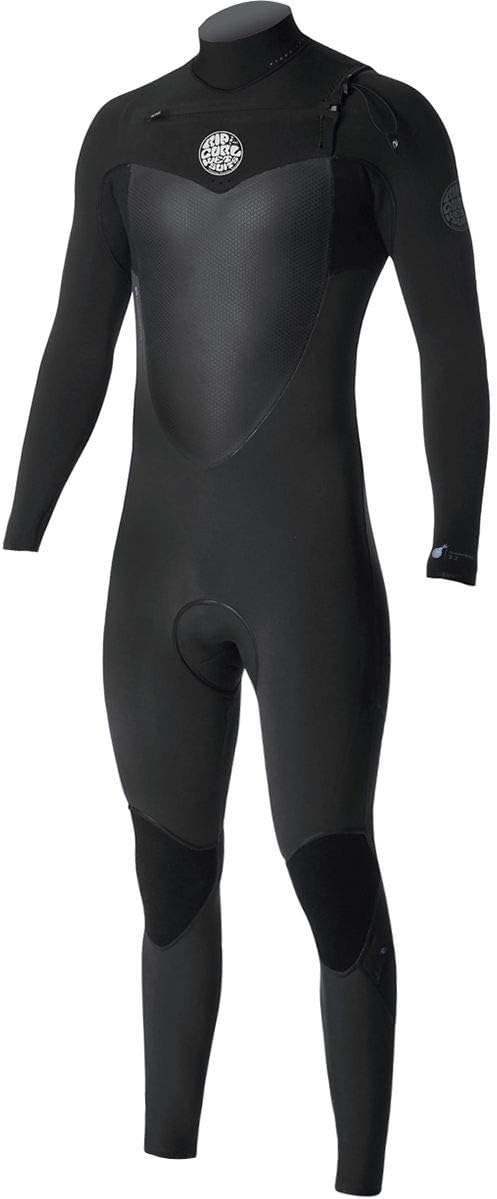
If you can stretch the budget, a glued and blind-stitched or taped suit from O'Neill's higher lines, Rip Curl or Billabong will seal better and stay warmer. Owners who went that route say the construction difference is obvious in the first cold session. If you want something sturdier on a budget, several owners point to direct-to-consumer brands with taped seams.
Verdict
The O'Neill Reactor II 3/2 is a sensible first suit for warm-to-mild water. It fits well, it is simple to get on, and it gets you out of rentals. It is also the most basic suit O'Neill makes, and owners report seam and zip trouble sooner than they would like. Buy it for summer, buy it on sale, rinse it every time, and plan to upgrade once surfing is part of your week.