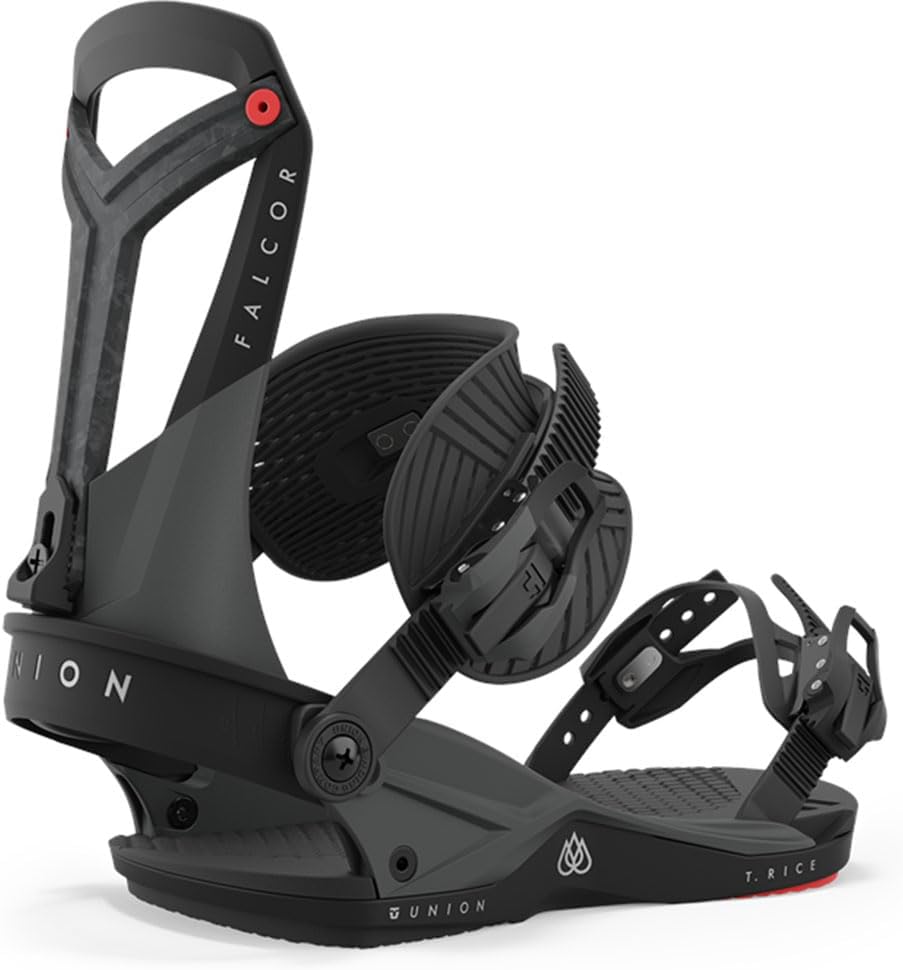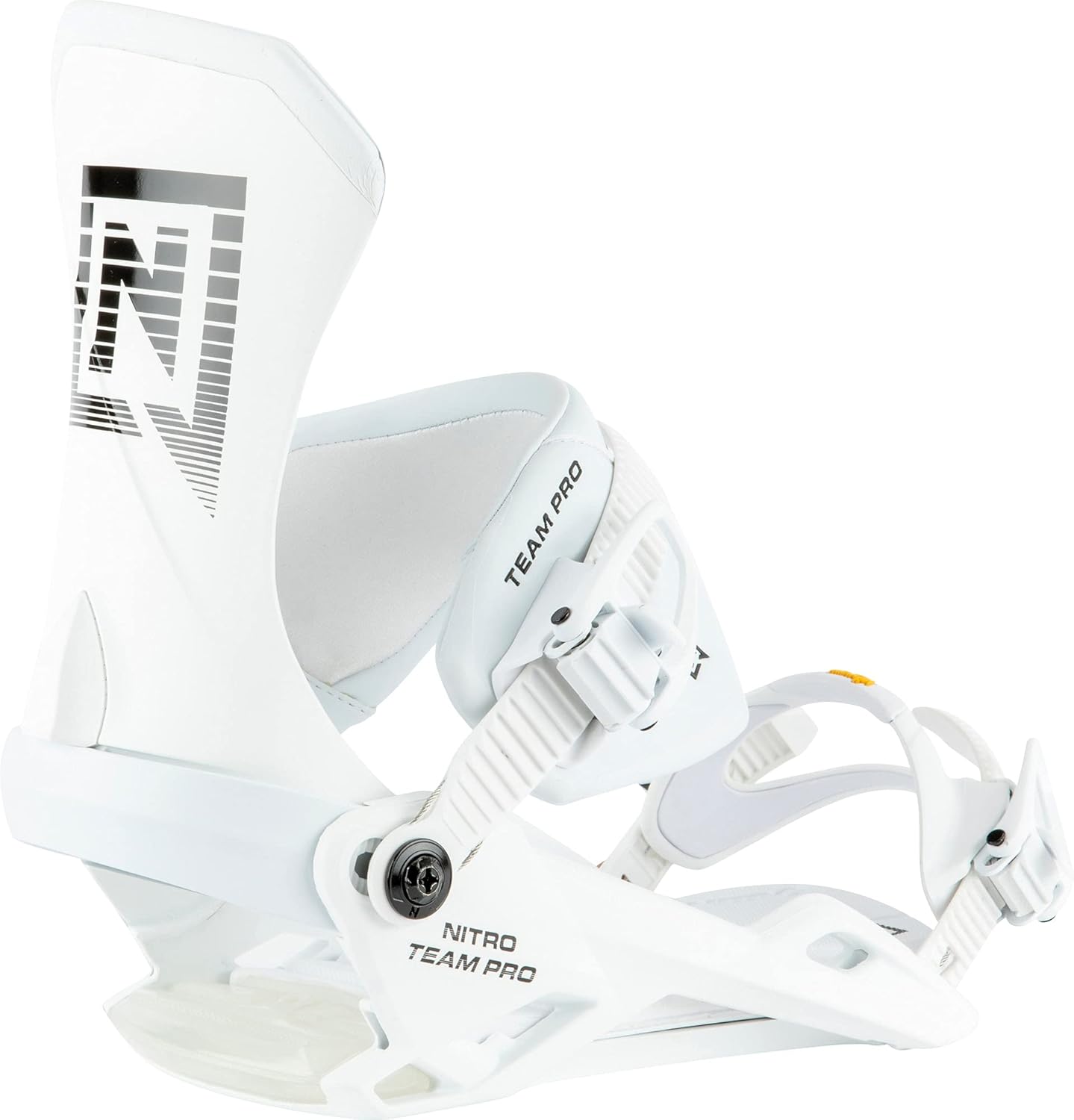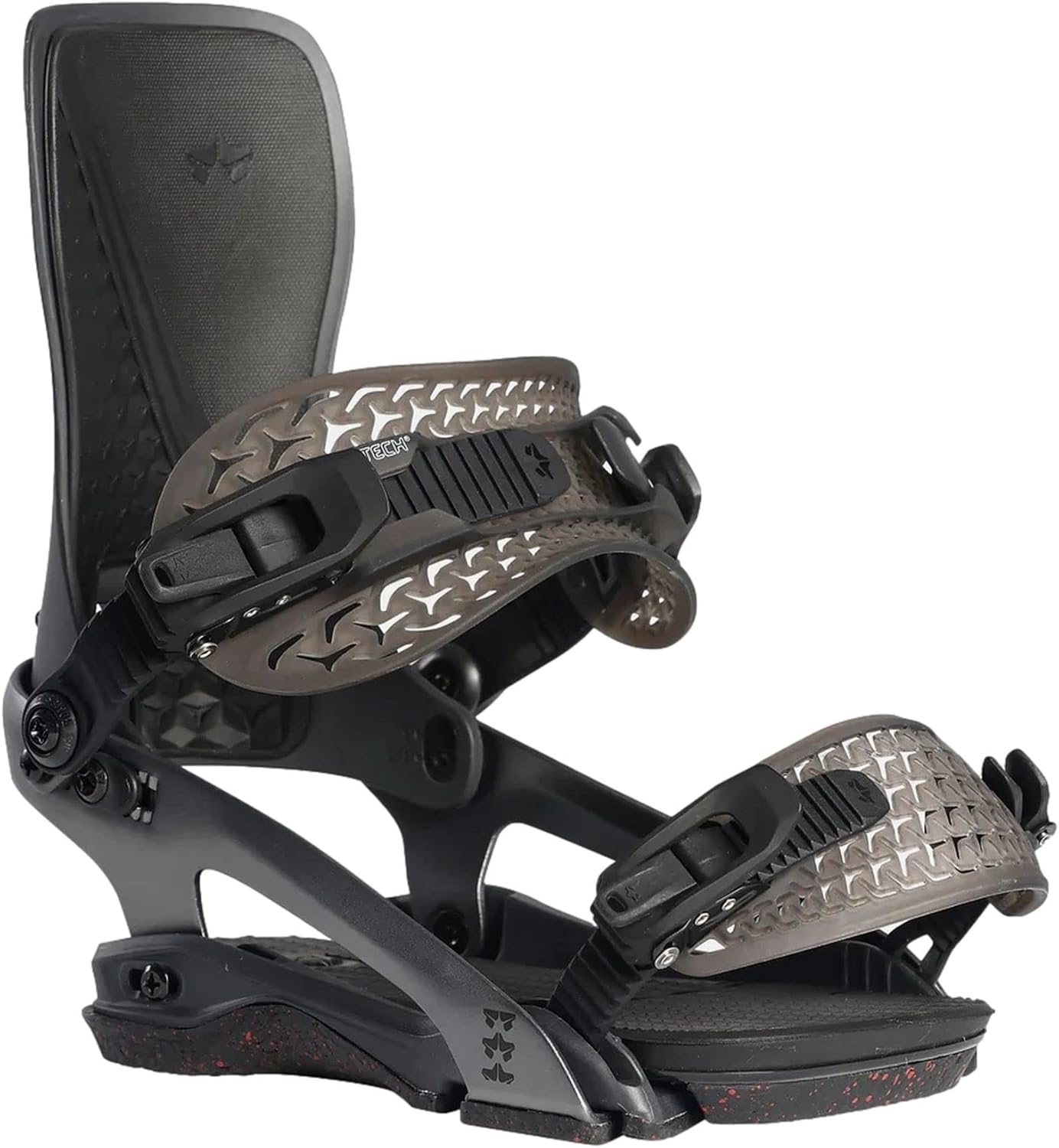
If you have just bought a stiff freeride board and your old bindings suddenly feel like wet noodles, you will start shopping for something firmer. The usual shortlist includes Union's Atlas and Falcor and Jones's Apollo and Mercury. The Rome Cleaver belongs in that conversation. Rome describes it as a carbon-filled boss hog, built for responsive, high-octane riding. This review covers what it is, how it rides, and what owners say.
What It Is
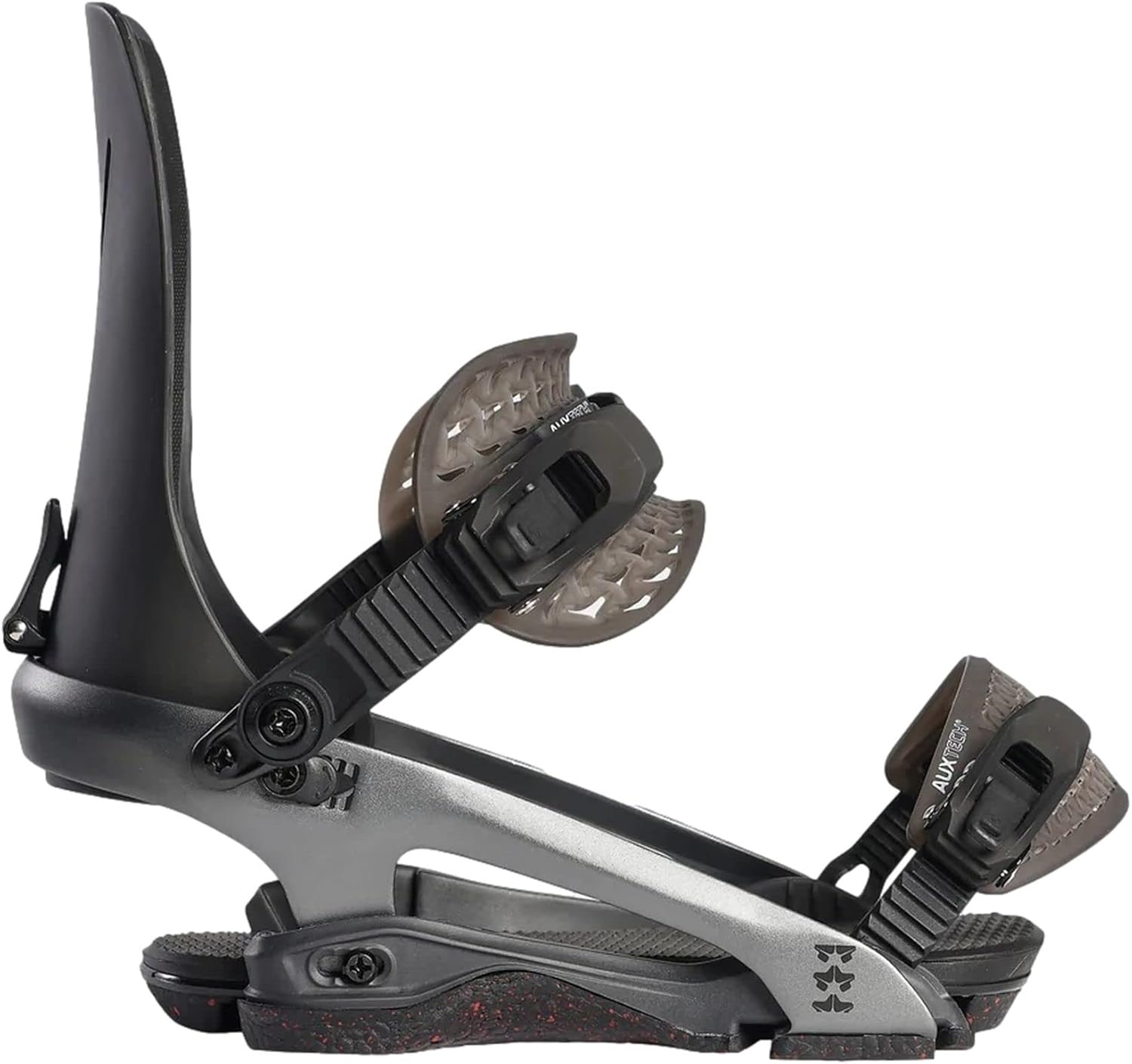
The Cleaver uses Rome's FullWrap chassis. The heel hoop wraps fully around the baseplate with four connection points, versus the three of the AsymWrap used on Rome's more surf-minded bindings. That gives it more lateral support and a more direct energy path, which means almost no lag when you lean into a toe-side turn. It is built for advanced stability, durability and power.
The highback and chassis are carbon-filled for stiffness and low weight. Owners of similar Rome bindings describe them as lightweight and stiff, and others recommend the Cleaver to riders wanting a stiff freeride binding.
The other defining feature is PivotMount. These small adjustable pieces let you move where the ankle strap attaches to your boot, with eight positions per side. Rome's guidance is simple: higher means more power and faster turn initiation, lower means more surfy and tweakable. That is why retailers list the Cleaver's stiffness as a range, not a single number. You can tune it. Straps are Rome's UltraFlex Pro ankle strap (open-edge 3D auxetic pattern over a Hytrel spine) and a one-piece ProGrip toe strap.
On Snow
The Cleaver feels like a precision tool. Response is immediate, and with the strap positioned high, the binding pushes the edge into the snow the instant you ask. Steep faces, firm groomers and fast, committed riding are where it makes sense. It feels planted and does not rattle your feet loose from the board at speed.
Straps are part of that. The auxetic pattern expands evenly over the boot, which keeps pressure points down even when the binding is cranked tight. Owners also say the main draw of the strap pivots is not just stiffness but alignment: you can match the strap to your ankle, which makes it more comfortable than other stiff bindings they have tried.
The Cleaver is not forgiving. If you are not putting real force into your turns, it can feel too demanding. It wants to be driven.
Where It Falls Short
The straps feel softer than the binding. One buyer who picked the Cleaver after comparing it with other stiff options said the ankle and toe straps felt flexy for a "stiff" binding. That is worth knowing: the frame is stiff, but the straps are designed for comfort, and some riders will notice it.
Lots of screws. The customization that makes the Cleaver comfortable also adds hardware. Owners of similar Rome bindings say to check the screws every couple of rides so none work loose on the hill. Carry a tool.
Support is a question mark. Reports from owners of other Rome bindings on the same forums mention parts that are hard to source and a warranty experience some found frustrating. These are individual reports, but premium bindings should come with clear support, so check before you buy.
On the other side, one owner points out that Rome covers the heel hoop with a lifetime warranty. Owners who have had screws back out recommend blue thread locker or plumber's Teflon tape on the binding screws.
Not beginner gear. It is too rigid and demanding for casual cruising or learning. Weight is also higher than the lightest carbon bindings, though that mass adds to the planted feel.
The Debate: Cleaver, Atlas, Apollo or Team Pro?
Owner discussion falls into two camps.
One group argues that stiffness ratings cannot be compared between brands, so spec-sheet numbers do not settle anything. A Cleaver rated 7 to 9 and a rival rated 8 are not directly comparable, and PivotMount shifts the Cleaver's feel across that range. Test them if you can.
A second group splits by feel. Skate-tech bindings from Jones or Now give a different, hinged kind of response, while Union's Atlas is a respected workhorse with a carbon highback option. The Falcor, according to one rider, has a mini disc that gives more lateral flex and can feel almost surfy. The Cleaver is the stiffest choice in Rome's range.
Owners who ride it on stiff boards are happy. One rider runs the older Targa, which the Cleaver replaced, on a K2 Excavator and calls it very responsive, with enough damping to save the knees in chop. Another rides Cleavers on a Rome Ravine Select and says they are much lighter than the Targa, and that the foam under the baseplate absorbs a lot of chatter on hardpack. The bushings change the feel a lot. One owner who tried the soft bushings for a day said the binding felt loose and slippery, fun but a little scary. They went back to the hard bushings.
Riders choosing between the Cleaver and the Bent Metal Transfer mostly vote Cleaver. They praise the adjustment and the balance of damping and board feel. One long-time Rome rider tried the Transfers for a week and went back to Rome. Another rider thinks the Transfer is closer to the Katana, and that the Cleaver is stiffer.
Who Should Buy It
The Cleaver suits riders who:
- charge hard on stiff freeride or directional boards
- want a stiff, planted binding with good adjustability
- like to dial in strap position for different boards
- are willing to check hardware regularly
Look elsewhere if you:
- are learning or ride casually
- want a loose, surfy freestyle feel
- want the lightest possible setup
- prefer to set up once and never touch the binding again
Alternatives
Union Atlas: a respected workhorse with a reputation for build quality. Read our full Union Atlas review.
****Bent Metal Transfer: the stiff all-mountain binding owners most often compare with the Cleaver.
Nitro Team Pro: a stiff, damped option often compared directly to the Cleaver. Read our full Nitro Team Pro review.
****Rome Katana: Rome's asym binding, softer and more forgiving, with the same adjustment. Read our full Rome Katana review.
Verdict
The Rome Cleaver is a stiff, adjustable, fast-reacting binding. It rewards riders who push it and punishes riders who do not. Strap comfort is good, the PivotMount system is genuinely useful, and the FullWrap chassis delivers the power it promises. Keep an eye on the hardware, and expect the straps to feel a touch softer than the frame. If you charge hard, it deserves a spot at the top of your list.