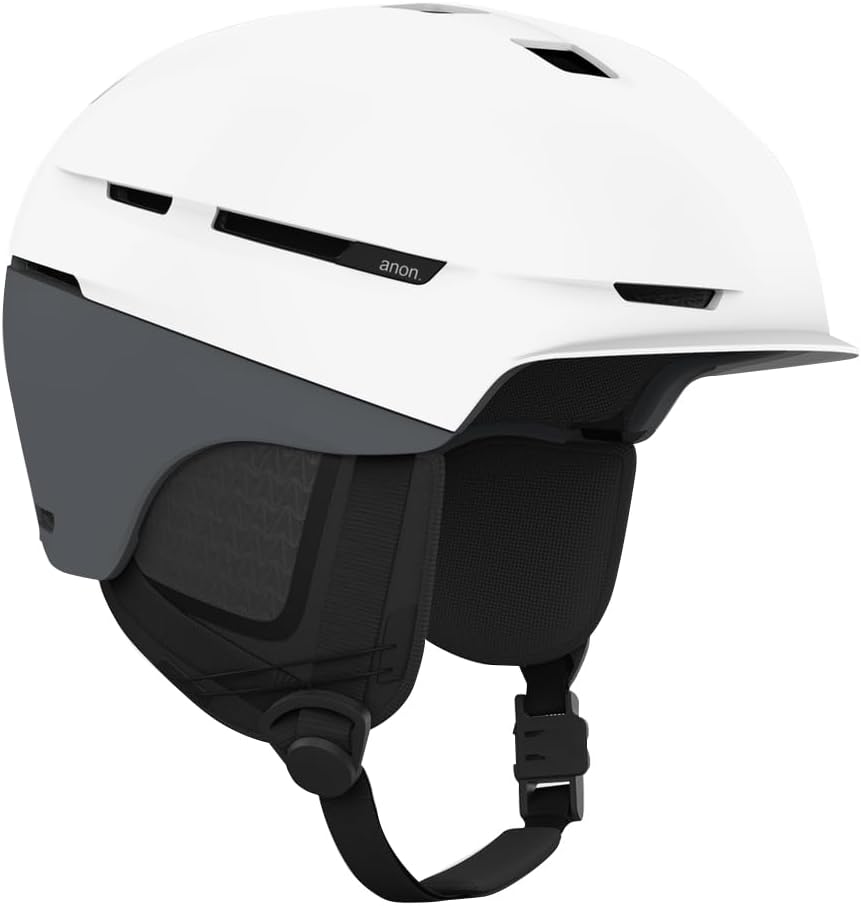
The Anon Merak WaveCel sits at the top of Anon's helmet range. It has the cellular liner, the hybrid shell, the dial and the magnetic buckle, and on paper it checks nearly every box. The real questions are the ones that spec sheets do not answer: how it sits, how the ear pads feel, and whether audio chips fit. That is what this review is about.
What It Is
The headline is WaveCel. It is a collapsible cellular structure that sits inside the helmet, and you can see it through the vents as a honeycomb pattern. Anon describes it as working like the crumple zone on a car: the cells deform to reduce impact forces, divert rotational forces and spread impact energy through the network. WaveCel helmets are designed to fit closer to the head.
The shell is a 50/50 hybrid. A durable hardshell section is combined with lightweight in-mold construction for everyday toughness without the weight. Anon lists the weight at 480 grams.
Fit comes from an in-shell 360-degree BOA system. Turn a single dial and you get micro-adjustment all the way around. The buckle is Fidlock, a magnetic snap you can open and close one-handed with gloves on. Anon says the ventilation is active, so you can adjust airflow to the weather, and there is snow stopper fabric to keep powder out of the vents while holding warmth. Anon also backs its helmets with a two-year crash replacement policy.
Fit and the BOA Dial
The dial is the best part of the fit story. Because it wraps the head instead of pushing it forward into the front of the shell, it helps stop the helmet tilting on fast runs, and it lets you dial in for a thin beanie or a bare head. It feels secure and does not need constant attention.
Owners raise one issue worth knowing about. When you take your jacket hood off and the hood rubs the back of the helmet, it can nudge the BOA dial, tightening or loosening the fit without you noticing. It is a small annoyance, but if you ride with a hood a lot, check the fit now and then.
The Ear Pad Question
Before buying, many riders ask about the ear pads. Owners raise two things. The first is how the pads feel on the side of the head. Tight pads cause pressure and a headache by lunch; loose ones leak heat and wind. The second is the way they attach. The pads snap in, and if they are not seated properly they can feel like they are digging in, or pop out when you are adjusting goggles.
The upshot: get the dial set properly, seat the pads fully, and take pressure off the ears. If you have a wider head or are sensitive around the ears, try this helmet on before you buy it.
Audio
Anon says the pads are audio accessory compatible. The reality is a little more nuanced. Owners say the ear cut-out takes audio chips, and one rider who runs a similar Anon model reports no problem with a standard chip set and says the wired connection is easy to route. The pads are slim, though, so a thicker audio puck can be a snug fit and add bulk to the pad. If you are already sensitive to pressure on the ear, that bulk matters. Once the speakers are in, the pads are not overly muffled, so the sound comes through clearly.
Ventilation and Warmth
Ventilation is a strength. Airflow moves through the WaveCel structure, and Anon's adjustable vents let you tune it to the day. The airflow is diffused, so you do not get the cold spots you can get with larger open vents. On a warm spring day, the head does not cook. In cold, the snow stopper fabric and the closed vents do their job.
Goggles and the Face Mask
This is where Anon's ecosystem shows. The Merak pairs with Anon's magnetic MFI goggles, and it works with Anon's magnetic face mask system, which owners rate highly for cold days and long lifts. A rider who tested the Merak with the M5 goggle on trips across several states says the longer section above the goggle frame helps stop snow dropping into the frame in wet climates. The same rider wanted a tighter fit between helmet and goggle. Fit between helmet and goggles is a recurring talking point, so check yours.
Where It Falls Short
Ear pad fit and attachment. Covered above. It is not a universal problem, but it is the most common complaint.
Audio chip fit. Possible, but snug.
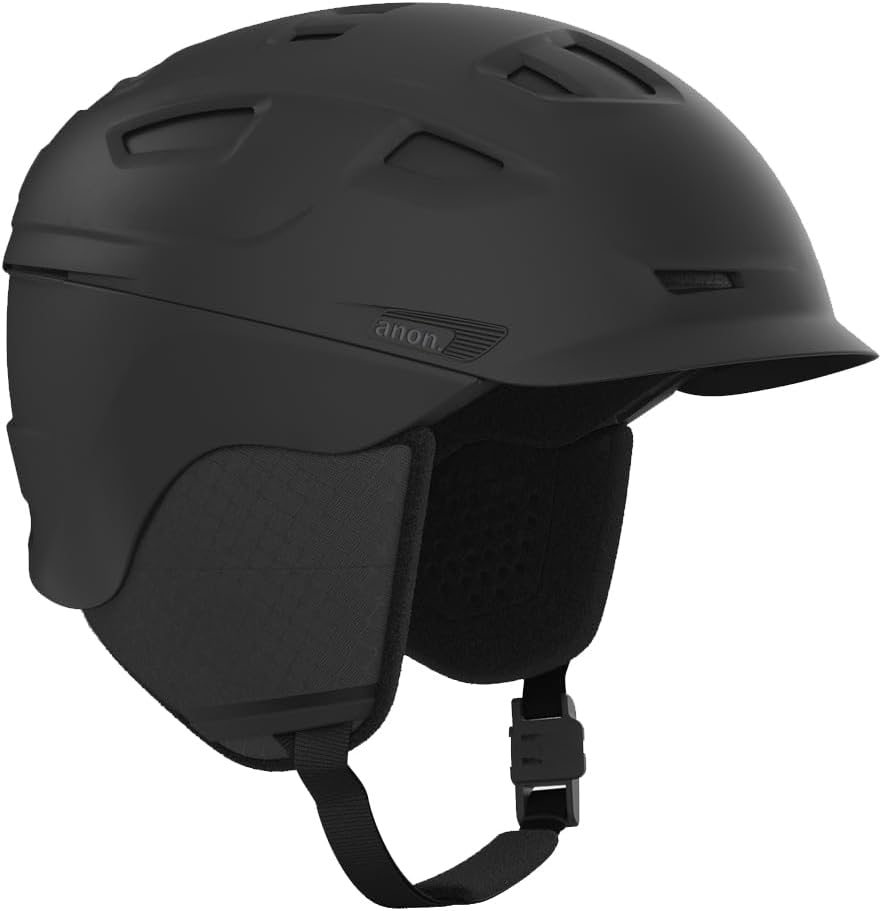
Look. WaveCel is a thicker liner, so the outer shape is rounder and flatter on top than a traditional helmet. Owners compare it with the Anon Prime MIPS, which keeps a lower profile. Some riders like the Merak's look. Others call it a lightbulb.
Price. It sits at the top of the range, so expect to pay for the tech.
Who Should Buy It
Buy the Merak if you want WaveCel and a lighter helmet, if you like a BOA dial and a magnetic buckle, and if you plan to use Anon's goggle and face mask system. Look elsewhere if you care most about a slim silhouette (try the Anon Prime MIPS), if you want a plain, light lid for music (the Anon Helo 2.0), or if you know ear pad pressure bothers you.
I will not say it is safer than another helmet. WaveCel and MIPS are different approaches, and independent lab data is where to compare them. What I can say is that the Merak is a well-specified helmet, and that fit and feel should decide it.
Pro tip: Try it with your goggles and your hat in the shop. Check how the ear pads feel after 10 minutes, not 10 seconds.
Alternatives
The Anon Logan WaveCel uses the same WaveCel liner at a lower price, with fewer premium features.
The Anon Prime MIPS is the lower-profile Anon helmet owners compare with the Merak. Read our full Anon Prime MIPS review.
The Smith Vantage MIPS is the premium alternative from Smith, with a BOA dial and dual-zone venting. Read our full Smith Vantage MIPS review.
Verdict
The Anon Merak WaveCel is a high-spec helmet with a lot going for it: a cellular liner, a light hybrid shell, a precise BOA fit, a magnetic buckle and adjustable venting. The ear pads and audio chips ask for patience, and the shape will not please everyone. If it fits you well, it is a strong option. If it does not, you will know within minutes of trying it on.