Most helmets use an inner cradle that you tighten with a dial. The shell stays the same size, and the padding gets squeezed against your head. The Giro Range MIPS does it differently, and that difference is the reason to look at it. This review covers how the fit system works, how it plays with big goggles, and who should try one.
What It Is
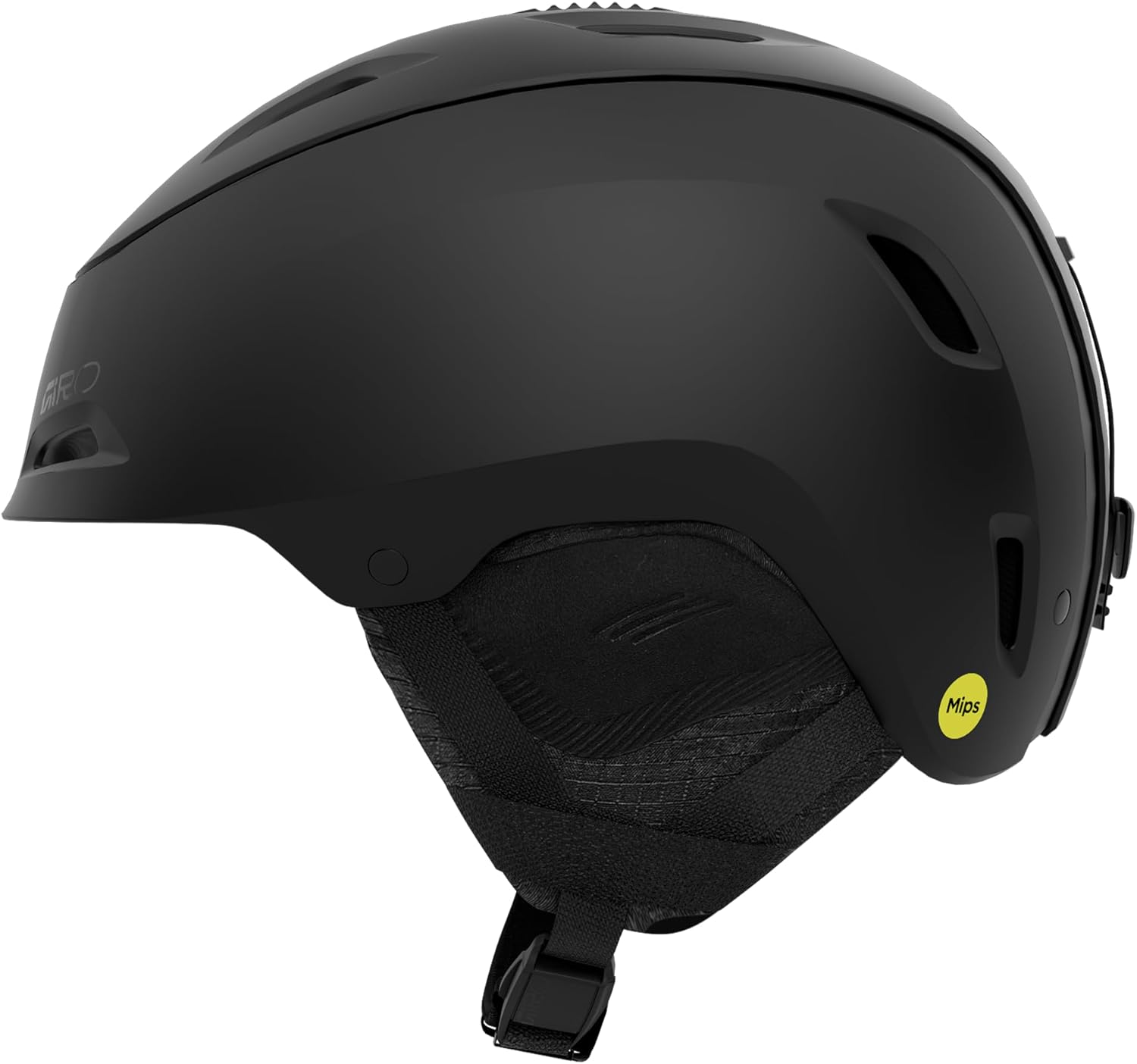
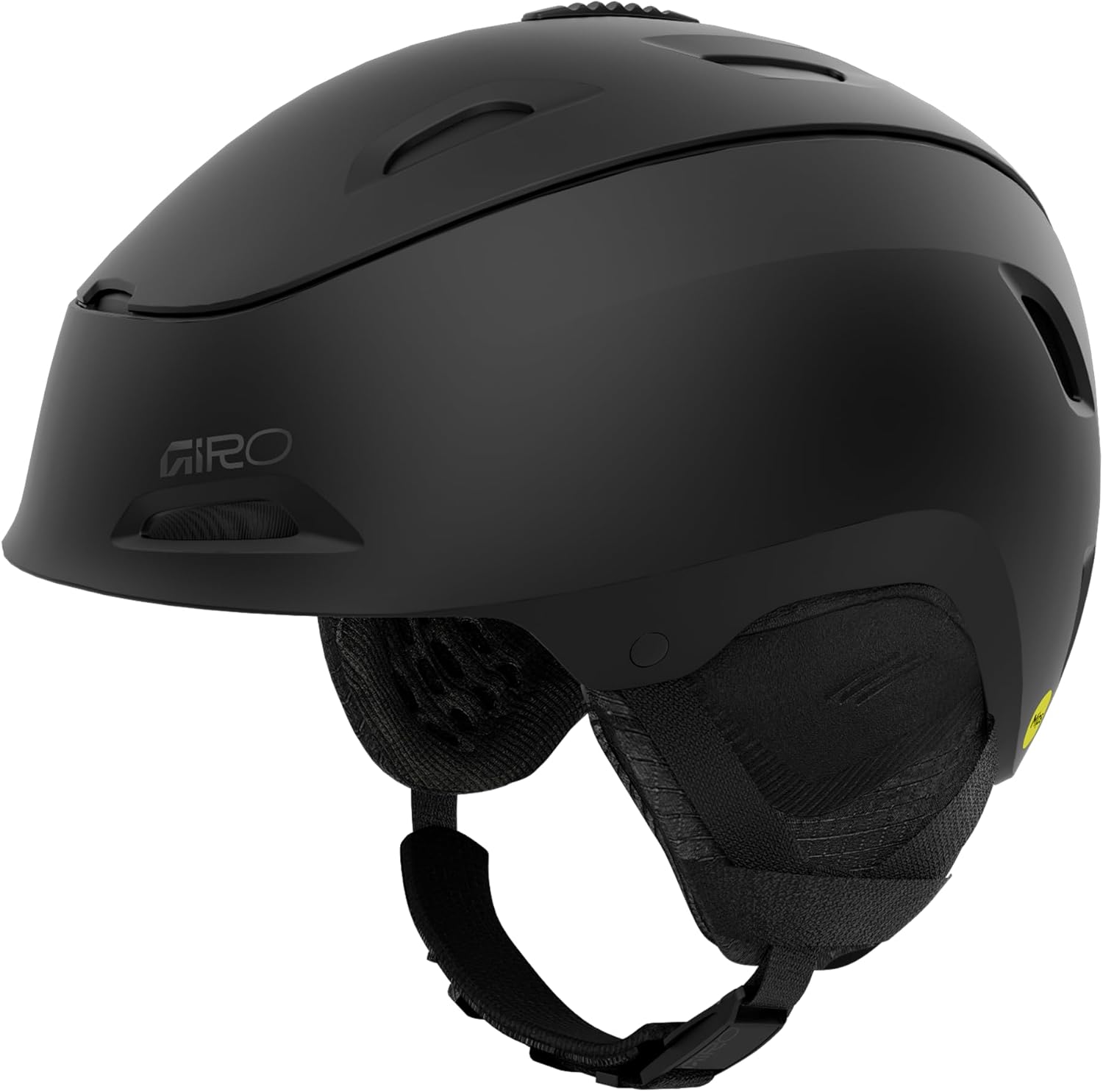
Giro calls it Conform Fit Technology. The shell is a two-piece articulating hard shell, made from a semi-flexible EPP construction that wraps the head. When you turn the dial at the back, the shell expands and contracts to form to your head shape. Giro says it is the lowest-profile fit it has ever made.
In practice, that means the helmet is not oversized to cover a wide range of heads. It adjusts to yours. If you have struggled with pressure points or with a gap between the helmet and your goggles, it is worth trying.
Protection comes from MIPS, a slip plane inside that lets the helmet rotate slightly in an angled impact to reduce the rotational energy passed to the head. Giro integrates it cleanly, so it does not snag hair or feel scratchy. The articulating hard shell feels solid rather than like the thin plastic you find on some in-mold helmets.
Fit and Goggle Integration
Big, rimless goggles are where many helmet pairings fail. A brim that is too low pushes the goggle onto your nose and makes breathing harder. One that sits too high gives you a cold stripe of forehead. Giro designs for seamless compatibility with its own goggles, and recommends its Contact and Axis models.
With larger Oakley-style goggles, owner reports are positive. Owners who have used the Range and a Smith Vantage with a big Oakley goggle say both work well, with the Smith integrating slightly better but not by much. That fits the general pattern: helmets and goggles from the same brand are designed to match best, but cross-brand pairings often work.
The articulating shell helps because it lets you fine-tune how the helmet sits. The front has a stack vent that lines up with the vents on the top of most goggles. That draws warm, moist air out and through the helmet, which is how you keep big lenses clear when you are working hard in the trees or standing in a humid lift line.
Fit varies by brand. Some owners find Giro a touch looser than Smith, and others say Oakley-style goggles suit rounder heads while Giro helmets suit more oval ones. These are anecdotes, not rules, but they back up the one piece of advice everyone repeats: try before you buy.
Ventilation and Warmth
The Range uses Thermostat Control venting, a low-profile button on the outside that lets you open or close the vents quickly. You can feel it click even with heavy mitts on. On a frigid day, close it and let the plush interior hold heat. In spring, open it up and get a cross-breeze. The padding is XT2 anti-odor material, which helps after long days.
Features
The ear pads are compatible with aftermarket audio systems, and they do not muffle your hearing much. That matters when you want to hear people around you on a busy slope. The buckle is Fidlock magnetic, and snaps shut one-handed, a small luxury that is hard to give up. A POV camera mount is included.
Pro tip: Because the shell moves, set the dial with your usual hat on, then check it again after your first few runs. The fit can settle.
Where It Falls Short
Price. It sits above entry-level Giros, because the tech is not cheap.
Fit is personal. The articulating shell helps, but head shape still matters. Some riders will like the Range and others will get along better with a Smith or an Anon.
Cross-brand goggles. Pairings often work, but gaps can show with some combinations.
Who Should Buy It
The Range suits riders who have trouble getting a helmet to fit, who want a very low profile, or who use oversized goggles and want to adjust how the helmet sits. It also suits anyone who wants a solid-feeling shell with proper venting control and a magnetic buckle.
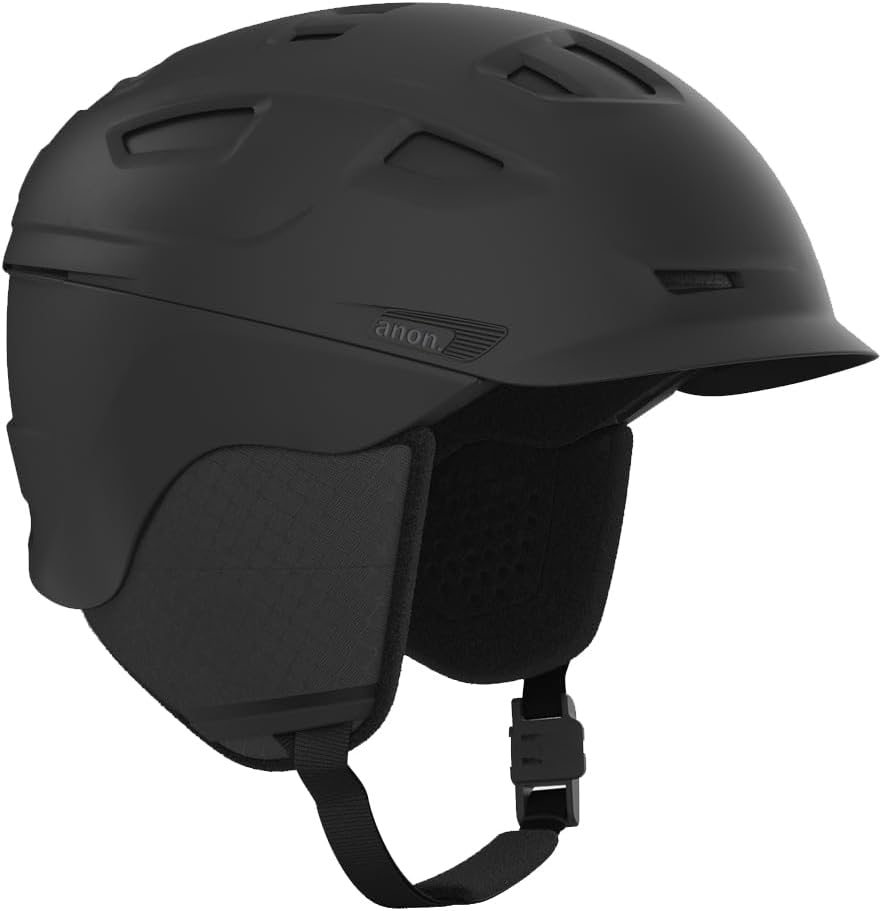
Look elsewhere if you want the lightest helmet possible (try the Giro Jackson MIPS), if you want a simpler, cheaper option (the Giro Trig MIPS), or if you want a cellular liner such as WaveCel (the Anon Merak WaveCel).
Verdict
The Giro Range MIPS justifies the attention. A shell that shapes itself to your head is a real solution to a real problem, and it comes with MIPS, adjustable venting, audio-ready pads and a Fidlock buckle. It costs more than basic helmets, and fit is always personal. If you struggle with fit or goggle gaps, this is the helmet to try on first.