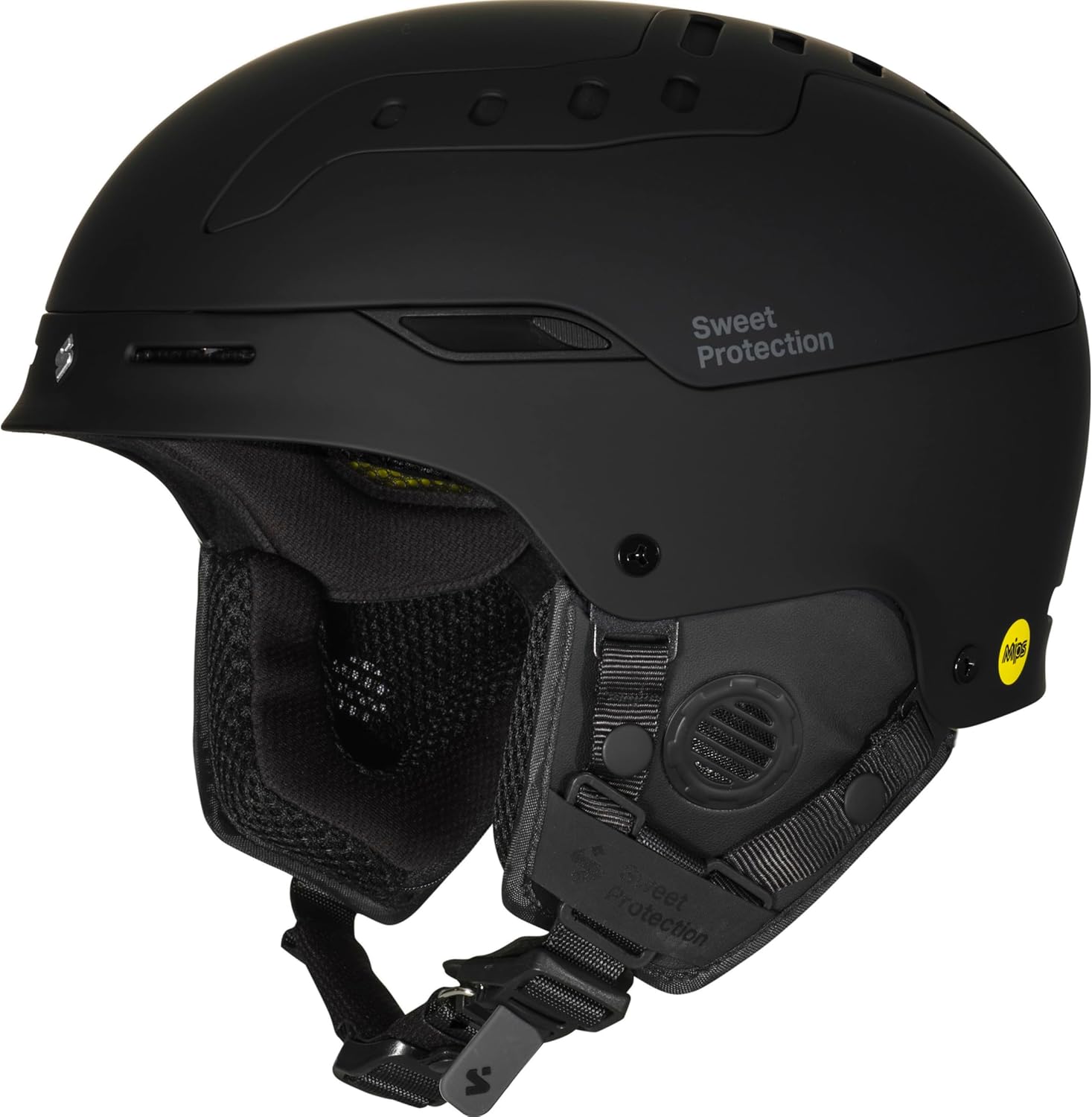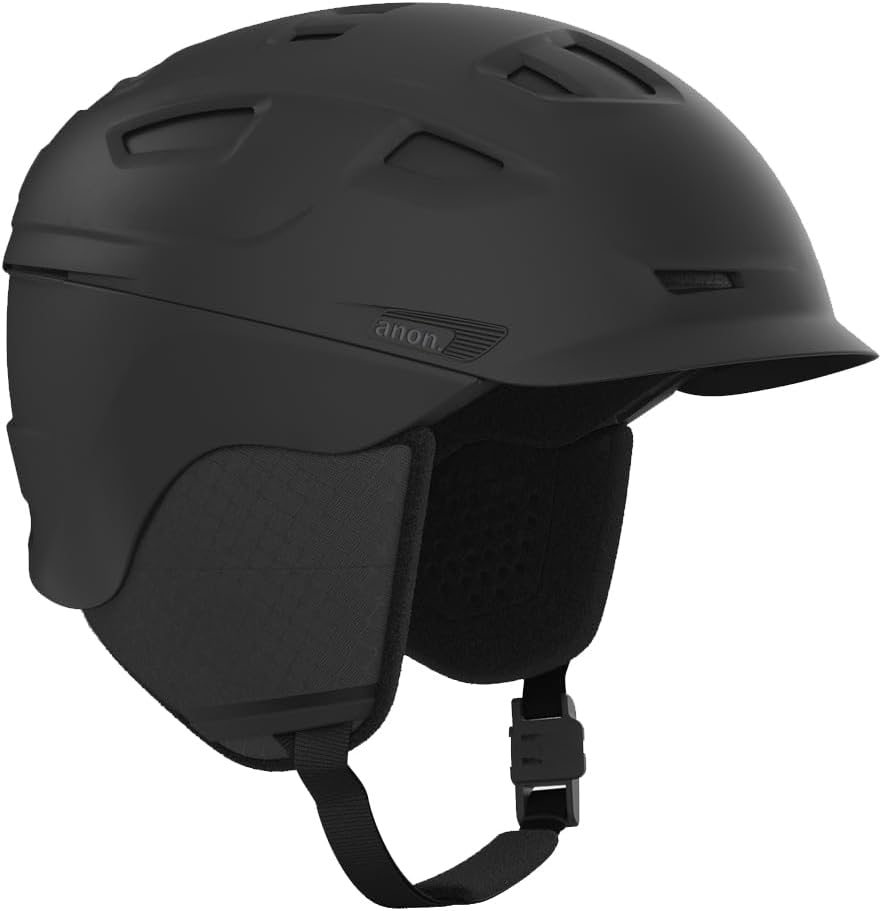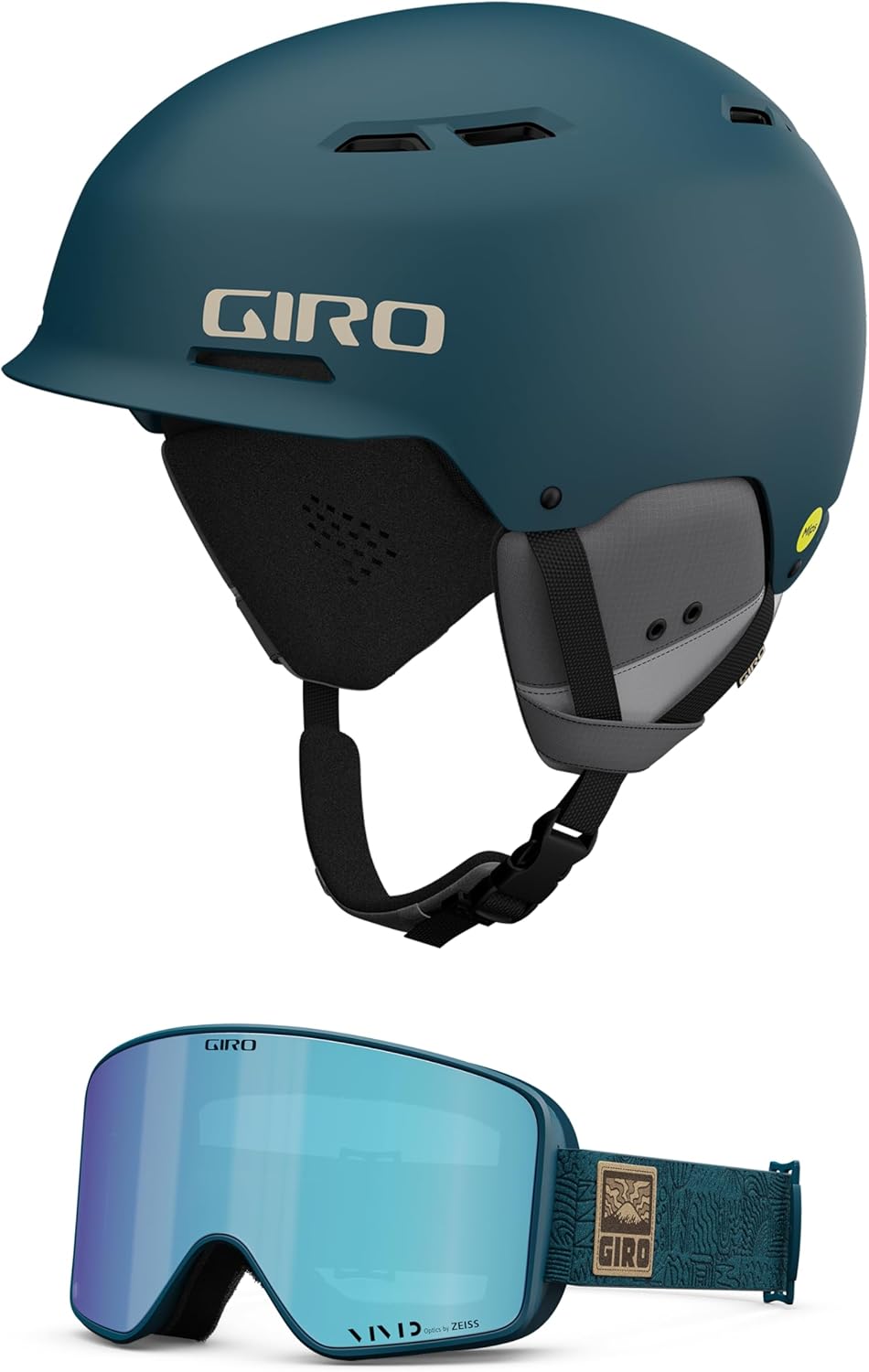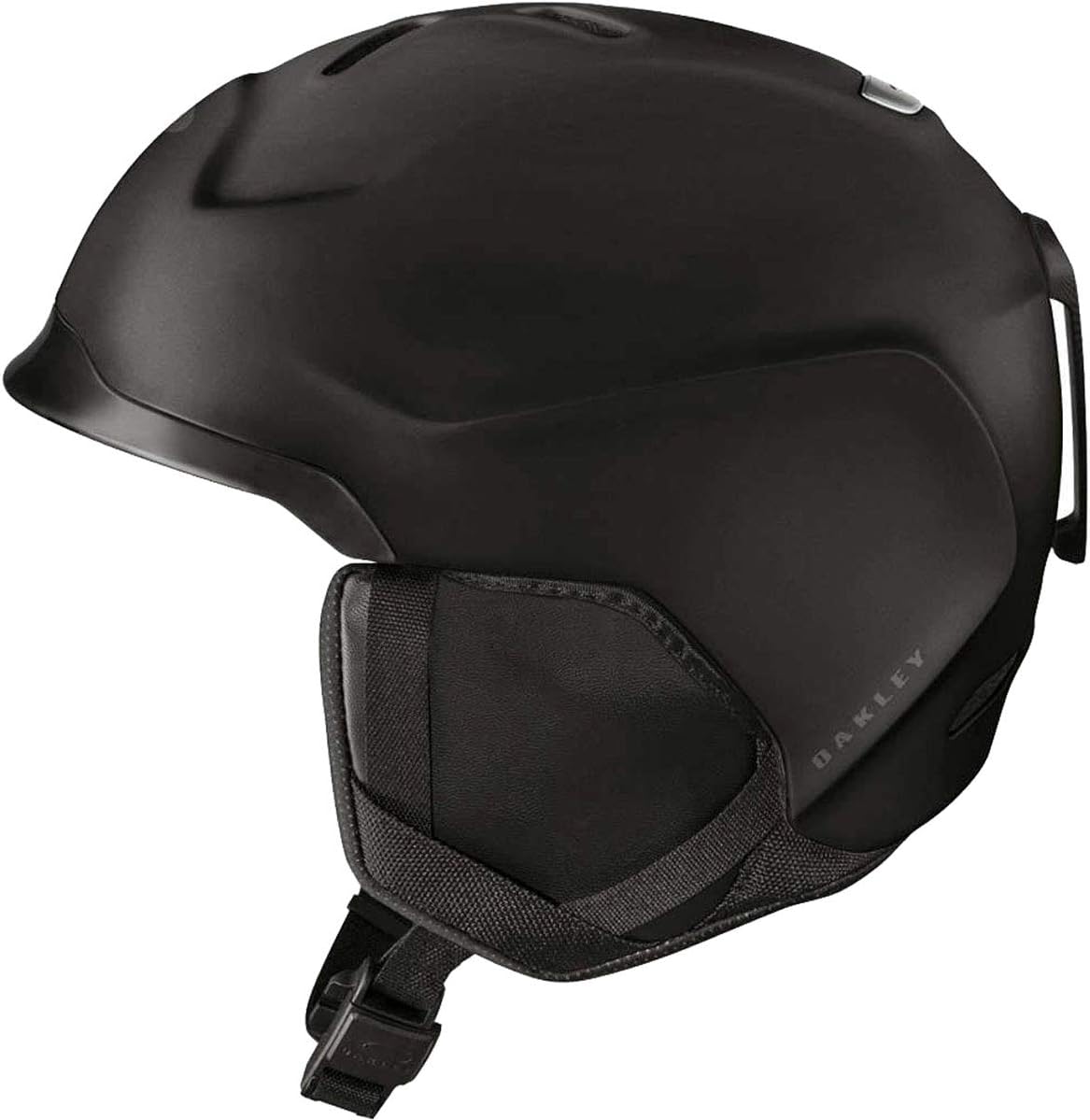
The MOD3 sits in the middle of Oakley's helmet range, between the stripped-back MOD1 and the feature-heavy MOD5. It doesn't get the loud online attention of some rivals. Search for owner threads and you find more questions than answers. So here is the practical version: what it is, how it fits, and who should pick it.
What It Is
The MOD3 is a brimmed snow helmet with an in-mold shell, an EPS impact liner and a MIPS layer for rotational protection. Oakley's brand specs also list a removable, machine-washable comfort liner, which is the sort of detail you appreciate after a season of sweat.
The shape is the first thing you notice. It is sleeker than the early MOD3 generations, less bulbous, and it looks like snow gear rather than a repurposed skate or bike lid. The weight is not featherlight, but it is balanced well enough that it stops registering once you are strapped in.
Protection: MIPS Without the Rattle
MIPS is a low-friction layer inside the helmet. In an angled impact it lets the shell rotate slightly around your head, which is meant to cut down the rotational force reaching the brain. It is standard on this model.
What stood out in use is how quiet it is. Some MIPS helmets squeak or creak when you turn your head, which gets old on a silent chairlift or a long hike. The MOD3 doesn't. The layer is tucked away so cleanly that you only notice it if you pull the pads back.
I will not tell you it is safer than other MIPS helmets. No source backs that, and fit matters more than any logo. A helmet that sits properly and stays put does its job. One that wobbles does not.
Fit and the BOA 360 Dial
Oakley fits the MOD3 with a BOA 360 system. Most helmet dials tighten a plastic cradle at the back of the skull. A wrap-around system pulls the liner in around the whole circumference, so the pressure spreads out instead of pushing your forehead into the front of the shell.
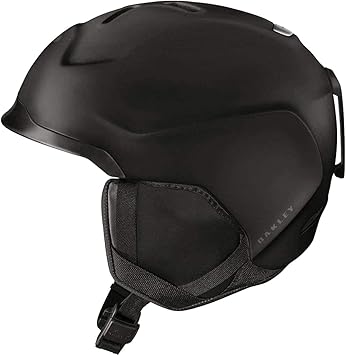
On a gusty summit day the wind caught the brim and the helmet didn't budge. The liner is plush without being thick and wicks moisture well, which helps when you are hiking a feature or working through a tight glade.
The ear pads are non-pressure and sit around the ear, with a slot for audio. They offer decent sound and are comfortable, but they felt a little stiff early on and needed a few days of riding to soften up against the jaw. That is a break-in note, not a flaw.
Oakley lists medium at 21.7 to 23.2 inches and large at 23.2 to 24.8 inches. Measure your head and try one on with your goggles before you buy.
Goggle Integration: The Modular Brim
The Modular Brim System is the signature feature. The idea is that you swap the brim to match your goggle shape and close the gap above the frame. Oakley says hot air from the goggle can flow up through brim ventilation and out of the helmet, which helps with fogging.
It worked with Oakley goggles as you would expect. It also sealed well with a pair of Smith goggles. On cold mornings with breath freezing on a buff, the lens stayed clear.
Pro tip: Bring your goggles when you try on the helmet. That is the single best piece of advice owners give for this model.
Ventilation and Day-to-Day Use
Oakley's brand specs list six static vents. That means you are not sliding a gate open when the afternoon warms up. If adjustable airflow matters to you, confirm the vent setup on the exact version you buy.
The shell holds up. A few branch hits in the trees left no real scuffs or dents, and it feels built for more than one season. The chin buckle is a standard one, not the magnetic type on the pricier MOD5. It is simple and works with gloves on.
The Debate: Does the Brim Sit Too Low?
The one real owner complaint is fit with goggles. One rider reported that a large MOD3 pushed their goggles down onto the nose, and trying a range of high-end Oakley and Smith goggles in the shop gave the same result. They put it down to head shape and the height of the nose bridge, and ended up with a different helmet.
That is a fit story, not a defect, but it is worth hearing. The brim is a feature when it matches your face and an annoyance when it doesn't. Trying the helmet with your own goggles is the answer, and so is checking the shop's return policy.
Who Should Buy It
The MOD3 suits the rider who wants MIPS, a secure fit and a clean look without paying for the top-tier extras. It works for resort days, tree laps and the occasional hike.
Look elsewhere if you run hot and want adjustable vents, if you want a magnetic buckle, or if you already know your face does not play well with a brimmed helmet.
Alternatives
The Oakley MOD5 adds the premium extras and costs more. Smith and Giro offer MIPS helmets with adjustable vents if airflow control matters to you. Anon's helmet and goggle pairings are built to fit each other if you want the tightest integration. Read our full Oakley MOD5 MIPS review.
Verdict
The Oakley MOD3 MIPS is a quiet, well-made helmet. The fit is secure, the MIPS layer is silent and the brim system is smart when it suits your goggles. It is not the lightest, and it will not adjust its vents on the fly. Try it on with your goggles, and if the brim sits right, it is an easy helmet to live with.